
The Best Dental Lab in Seattle: Comprehensive Services and Digital Solutions for Dentists
Seattle dentists seeking a dependable dental lab partner need precision, speed, and a digital-first workflow that reduces chair time and remakes. This article explains how a modern dental laboratory ecosystem serves Seattle practices by defining core digital services, implant and restorative options, removable prosthetics, and sleep appliance workflows while emphasizing practical steps for submitting cases. Readers will learn how digital dentistry—scanning, CAD/CAM, and 3D printing—translates into better clinical fit and faster turnarounds, common material choices for crowns and implants, and how labs manage urgent needs like Overnight Crowns. The piece maps clinical decision points, compares materials such as zirconia (including BruxZir®) and E.max, and provides clear, actionable guidance on how Seattle clinicians submit digital and physical cases. The following sections cover why a connected lab network matters, the full suite of digital lab services available to Seattle dentists, implant solutions and materials, crown and bridge comparisons, removable and sleep apnea appliances, step-by-step submission workflows, local practice perspectives, and frequently asked questions about choosing a Seattle dental lab.
Why Is Core 4 Dental the Top Choice for Seattle Dental Labs?
A top-choice dental lab partner combines agility, predictable turnaround, and digital compatibility to support busy Seattle practices with consistent prosthetic quality. Agility enables flexible routing across a connected ecosystem so urgent and complex cases reach the right technicians quickly, producing faster design-to-delivery cycles that benefit patient scheduling and practice productivity. Predictable workflows and integrated quality checks reduce remakes and chairside adjustment time, which improves patient satisfaction and clinical efficiency. The next paragraphs explain specific advantages, how digital dentistry improves laboratory outcomes, the role of certified technicians, and the logistics behind fast-turnaround services like Overnight Crowns.
What Advantages Does Core 4 Dental Offer Seattle Dentists?
Core 4 Dental offers advantages centered on network agility, communication, and a digital-first approach that supports Seattle clinician workflows by reducing turnaround variability. The network structure allows case routing to specialists in zirconia, implant prosthetics, and removable appliances, providing flexibility when a practice needs a specific skill set or faster capacity. Real-time communication and integrated quality checks ensure clinicians receive milestone updates, which reduces uncertainty and improves treatment planning. Cost-effectiveness also emerges through efficient routing and standardized digital workflows that minimize remakes, improving practice economics. These operational benefits naturally lead into how digital dentistry enables many of these efficiencies.
Key network benefits for Seattle practices include:
- Agility and flexible case routing that match cases to specialist labs.
- Speed of service backed by streamlined digital workflows and quality checkpoints.
- Communication and customer support that provide case visibility and milestone updates.
These advantages position a connected lab network as a practical extension of a clinic’s restorative workflow and prepare the practice for digital submission protocols described next.
How Does Digital Dentistry Improve Dental Lab Services in Seattle?
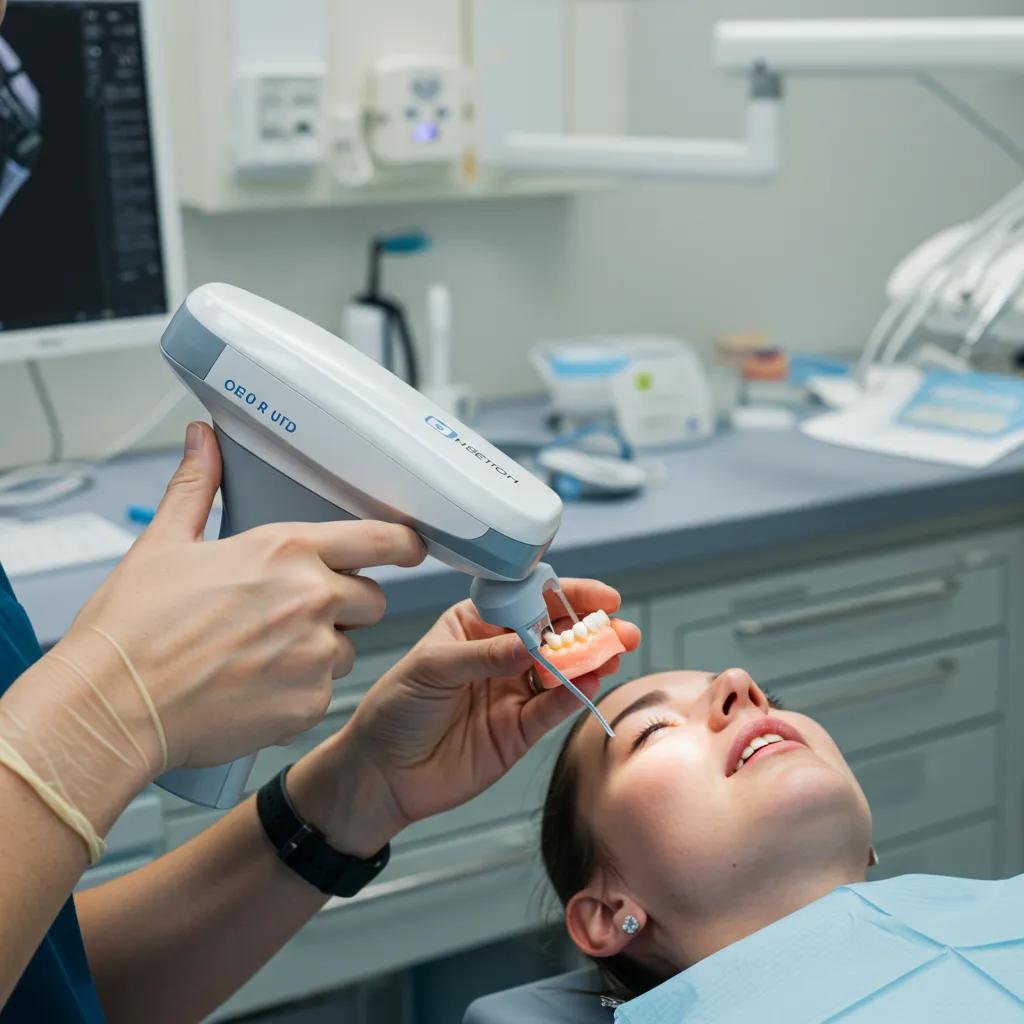
Digital dentistry improves lab services by converting intraoral scans into precise CAD/CAM designs, which reduces impression errors and increases first-fit rates for restorations. The mechanism—capturing digital impressions, validating STL or proprietary files, and performing CAD checks—cuts out physical shipping delays and shortens the design-to-production loop, which results in fewer remakes and less chair time. For Seattle practices, this translates into measurable scheduling reliability and improved patient experiences. Understanding these workflow mechanics prepares clinicians to select appropriate scanner protocols and to integrate seamlessly with lab submission processes discussed later.
What Role Do Certified Dental Technicians Play in Quality Restorations?
Certified Dental Technicians (CDTs) provide technical expertise in shade matching, margin refinement, and material selection that materially affects fit and esthetics for Seattle patients. CDTs bridge the gap between digital design files and physical restorations by interpreting clinician notes, refining occlusion, and verifying contacts prior to milling or sintering, which reduces the need for adjustments at delivery. This technical oversight is especially important for complex implant and esthetic anterior cases where material behavior and layering protocols matter. The value of technician oversight leads directly into how labs enable rapid turnaround, including Overnight Crowns, while maintaining quality.
How Does Core 4 Dental Ensure Fast Turnaround and Overnight Crowns?
Fast turnaround relies on a clear triage pathway: urgent cases are flagged, designs prioritized by digital teams, and production scheduled on high-capacity milling and sintering equipment to meet tight windows. For eligible urgent crown cases, the design → mill → finish → ship workflow is compressed into an expedited production stream that supports Overnight Crowns when submission criteria are met. Eligibility typically depends on clear scan data, concise Rx instructions, and materials selected to match rapid sintering and finishing protocols; these criteria minimize risk of remakes while delivering speed. Transparent communication and milestone updates help clinics plan patient appointments around expedited shipping and arrival estimates.
How Do Intraoral Scanners Integrate with Core 4 Dental’s Workflow?
Intraoral scanners produce digital files that labs validate and convert into CAD designs, creating a direct digital path from impression capture to restoration fabrication. Core 4 Dental accepts a wide range of scanner data and follows recommended capture protocols to ensure margin clarity, occlusal registration, and bite alignment are preserved in the STL or proprietary file. Best practices include capturing full-arch bite scans when indicated, ensuring clean margin capture, and following standardized naming conventions to speed processing. Addressing common scan errors—stitching gaps, incomplete margins, or soft-tissue interference—reduces back-and-forths and accelerates case completion.
Common scanner integration checklist:
- Provide complete margin capture and occlusal records in the submitted file.
- Include concise Rx notes and reference photos when shade matching is required.
- Use consistent file naming and include patient identifiers to avoid processing delays.
Following these steps streamlines file intake and leads into an overview of the CAD/CAM and 3D printing equipment that supports these workflows.
What CAD/CAM and 3D Printing Technologies Are Used in Seattle Labs?
Seattle labs use milling machines for final restorations and 3D printers for models, splints, and temporaries, selecting technologies based on material and clinical needs. Milling is the preferred method for high-strength ceramics like zirconia and for precision metal frameworks, whereas 3D printing excels for diagnostic models, surgical guides, and fast temporaries that require quick turnaround. Material compatibility dictates technology choice: zirconia blocks for monolithic crowns, resin for provisional restorations, and specialized resins for surgical guides. Understanding these equipment-role pairings helps clinicians choose the appropriate restoration pathway for each clinical case.
How Does Digital Workflow Reduce Chair Time and Remakes?
Digital workflow reduces chair time by producing restorations with higher first-fit rates through precise margin capture, virtual articulation, and controlled production tolerances. The mechanism centers on repeatable digital capture and verification steps—scan validation, CAD review, and CAM simulation—that catch common errors before milling or printing. Studies and industry trends indicate digital workflows lower remake rates and decrease appointment time needed for adjustments, improving practice throughput. The result is fewer return visits, better scheduling predictability, and higher patient satisfaction, which sets the stage for material-specific choices like zirconia and BruxZir® for durable outcomes.
Which Dental Implant Solutions Does Core 4 Dental Provide in Seattle?
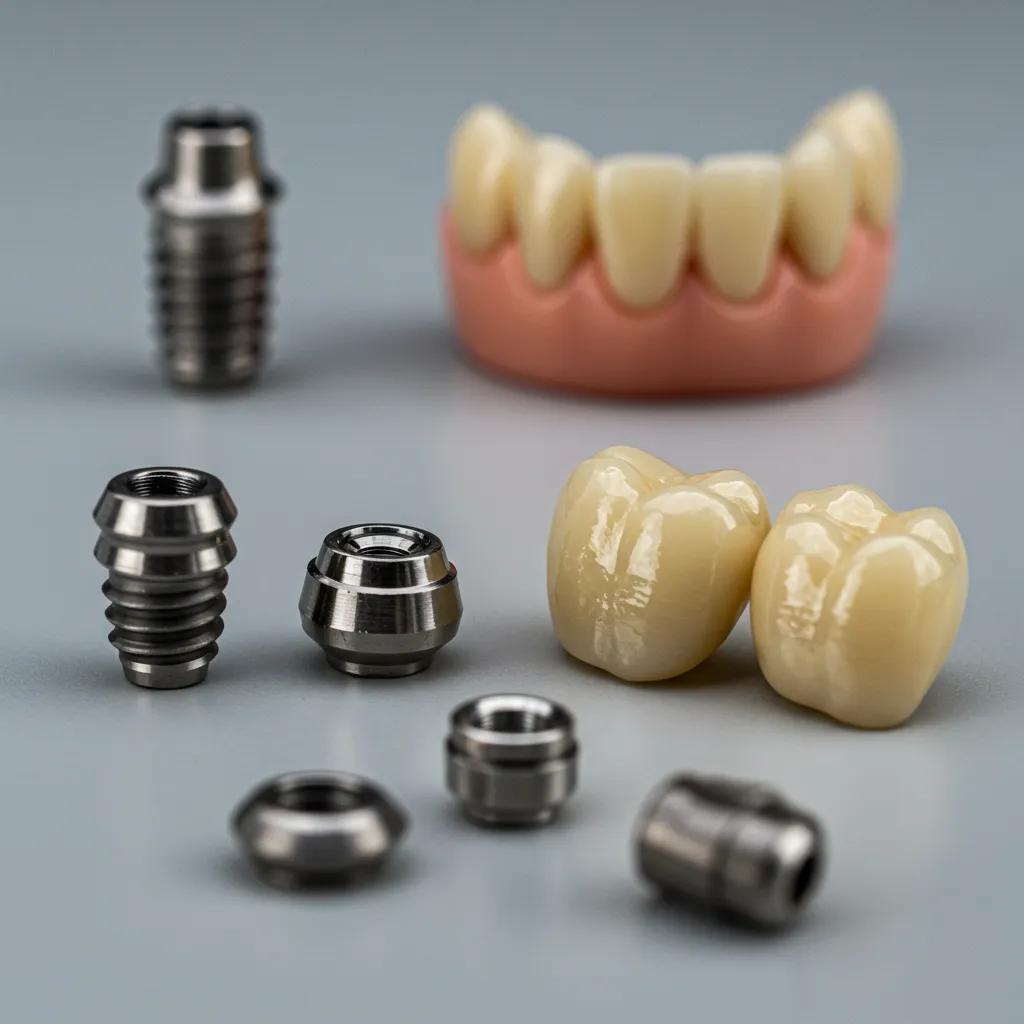
Implant restoration services cover single crowns, multi-unit implant-supported bridges, and full-arch prostheses, each requiring tailored planning, abutment selection, and material choices. Labs coordinate with clinicians on prosthetic planning files, custom abutment design, and provisional workflows to ensure predictable implant outcomes. Material options such as zirconia and high-strength ceramics are used where durability and esthetics are priorities, and specialized communication tools allow shared planning and tracking of implant cases. The following subsections enumerate restoration types, material benefits like BruxZir®, and how case communication supports implant workflows.
How Do Advanced Materials Like Zirconia Enhance Implant Durability?
Zirconia offers high flexural strength and wear resistance, making it a preferred material for implant restorations where occlusal forces are significant or when monolithic strength is prioritized. The material’s resistance to fracture and favorable wear characteristics reduce the risk of chipping and long-term failure, especially in posterior load-bearing regions. BruxZir® represents an example of advanced zirconia formulations that combine clinical durability with acceptable esthetics for many restorative scenarios. Material choice should balance biomechanical demands, esthetic needs, and fabrication workflow, which informs abutment selection and final prosthetic design.
How Does Core 4 Dental Support Implant Case Communication and Tracking?
Successful implant workflows depend on clear prosthetic planning, shared restorative files, and milestone tracking from Rx receipt through delivery, which Core 4 Dental supports via dedicated case channels. Communication pathways include sharing CBCT-derived planning files, design previews for clinician approval, and status updates through received → in design → in production → shipped milestones. This transparency enables coordinated surgical timelines and prosthetic sequencing while minimizing delays caused by incomplete instructions or missing data. Clear tracking and collaborative file exchange reduce rework and help clinicians prepare for seating visits with confidence.
What Are the Best Crown and Bridge Restoration Options in Seattle?
Choosing the right crown or bridge material depends on strength requirements, esthetic demands, and turnaround priorities; common options include zirconia, E.max, and porcelain-fused-to-metal (PFM). Each material offers distinct mechanical and optical properties: zirconia provides high strength, E.max offers superior layered translucency for anterior esthetics, and PFM delivers proven strength with metal substructure support. Clinicians balance these attributes against patient expectations and clinical context to select the optimal restoration. The next subsections describe why zirconia is often selected, how Overnight Crowns function, and direct comparisons between E.max and PFM.
What Are the Differences Between E.max and Porcelain-Fused-to-Metal Restorations?
E.max and PFM differ primarily in esthetic properties and substructure design: E.max (lithium disilicate) provides superior translucency and is ideal for anterior esthetic crowns, while PFM uses a metal substructure for high strength in cases where occlusal forces are significant. E.max offers simpler bonding workflows and excellent esthetics but has lower flexural strength compared to PFM-supported restorations in certain multi-unit contexts. PFM remains a durable option for posterior bridges and cases requiring metal framework support, though contemporary zirconia alternatives increasingly replace PFM in many scenarios. Selecting between them depends on esthetic goals, occlusal demands, and lab workflow preferences.
| Crown Type | Strength | Esthetics |
|---|---|---|
| Zirconia (monolithic) | Very high | Good, can be layered |
| E.max (lithium disilicate) | Moderate-high | Excellent translucency |
| PFM | High (due to metal) | Good, but metal margin considerations |
This table helps dentists weigh trade-offs when selecting crown materials for clinical cases.
What Removable Prosthetic Solutions Does Core 4 Dental Offer in Seattle?
Removable prosthetic solutions encompass conventional full and partial dentures, digital denture workflows, and flexible partials that prioritize patient comfort and esthetics. Labs may combine digital scanning, CAD design, and additive manufacturing to produce predictable base fits and efficient try-in protocols. Precision verification steps such as occlusal registration, base adaptation checks, and digital try-ins reduce chairside adjustments. The following subsections describe the types of dentures available, benefits of flexible appliances, and lab quality controls for removable prosthetics.
What Types of Full and Partial Dentures Are Available for Seattle Patients?
Seattle patients can receive conventional acrylic dentures, digital dentures manufactured from CAD-derived bases, or hybrid solutions that blend digital frameworks with custom esthetic teeth. Digital denture workflows reduce wax try-ins and allow faster iteration on occlusion and vertical dimension, while conventional methods remain useful when complex soft-tissue management is required. Choice depends on clinical conditions, patient expectations, and the practice’s preference for digital versus analog processes. Understanding fabrication options helps clinicians recommend solutions tailored to patient comfort and fit.
How Do Flexible Removable Appliances Benefit Patient Comfort?
Flexible removable appliances, made from pliable polymer materials, improve comfort and tissue adaptation for patients who cannot tolerate rigid acrylic bases. The material’s elasticity enhances retention in undercut areas and reduces pressure points that commonly cause soreness, which can lead to higher patient acceptance and compliance. Flexible partials are particularly useful in cases where esthetics and minimal metal visibility are desired, and they require specific care instructions to maintain longevity. These patient comfort advantages segue into how labs ensure precision in fit.
How Does Core 4 Dental Ensure Precision in Removable Prosthetics?
Precision in removable prosthetics is achieved through digital verification, multiple quality checkpoints, and iterative try-in protocols that confirm occlusion and tissue contact prior to final processing. Labs employ scan-assisted design, control occlusal contacts with virtual articulations, and perform fit checks on models or try-in bases to validate outcomes before final finishing. Clear communication of clinician notes, bite records, and any adjustments requested during try-ins reduces remakes and improves first-delivery fit. These QC processes align prosthetic outputs with clinician expectations and patient comfort.