

Weekend Habits Sabotaging Your Sleep? How Dentists Can Tackle Social Sleep Apnea
Your sleep apnea could be getting worse by up to 18% on weekends when you indulge in drinks, break your sleep routine, or skip treatments. This leads to restless nights and feeling drained during the day. In this article, we’ll define social sleep apnea, explore what triggers it on weekends, and show how dentists are key in screening, diagnosing, and treating this growing issue with custom oral appliances. You’ll discover why tailored mandibular advancement devices and expert lab support boost patient results, how to easily send cases to a dental lab, and strategies to grow your practice by offering complete sleep apnea care.
“Social Apnea”: When Obstructive Sleep Apnea Gets Worse on Weekends
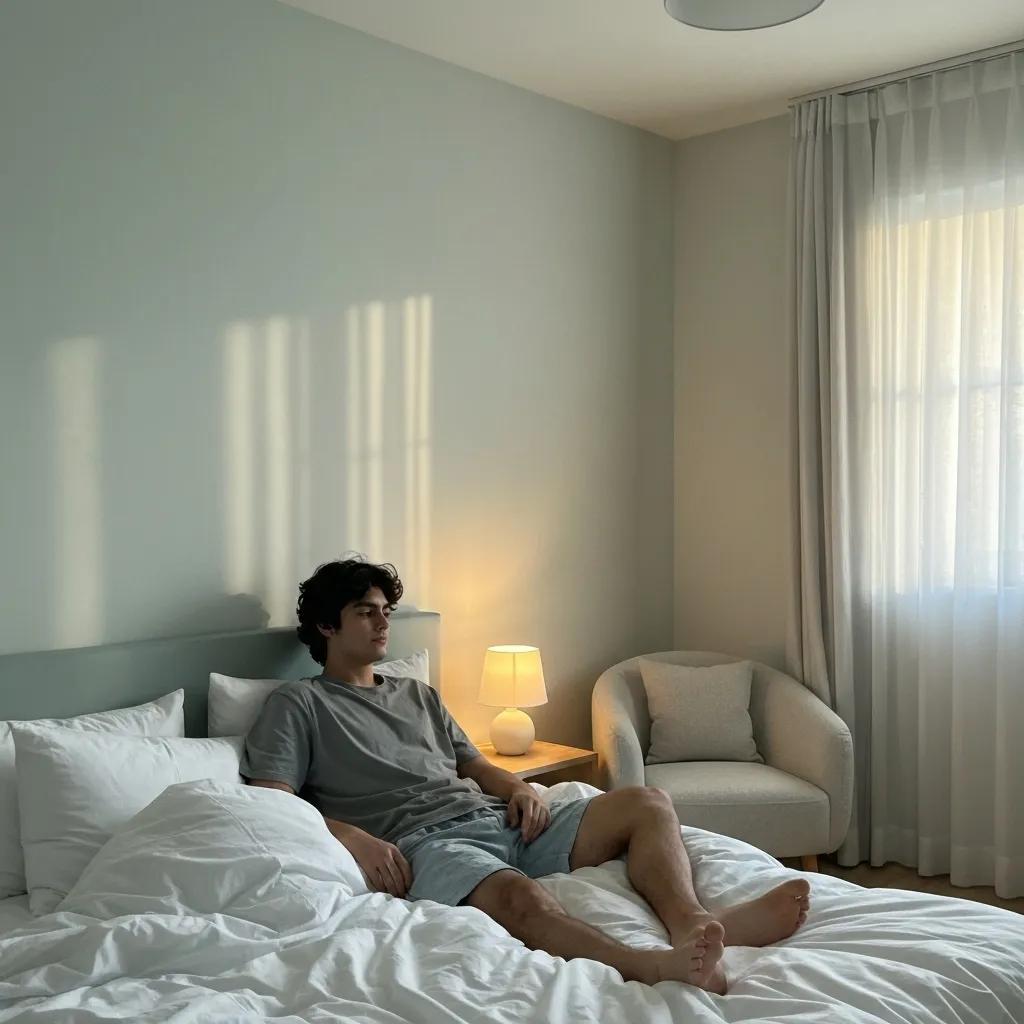
A global study featured in the American Journal of Respiratory and Critical Care Medicine introduces “social apnea,” a new concept where obstructive sleep apnea (OSA) severity significantly escalates on weekends. After examining data from over 70,000 individuals, researchers noted an 18% increase in moderate to severe OSA events on Saturdays compared to mid-week, linking this surge to lifestyle choices like drinking alcohol and inconsistent sleep patterns.
This research directly supports the article’s definition of social sleep apnea and provides statistical evidence for the rise in weekend OSA severity due to lifestyle factors.
What Exactly Is Social Sleep Apnea and How Does It Disrupt Weekend Rest?
Social sleep apnea is a newly identified form of obstructive sleep apnea where lifestyle changes—like late-night socializing and increased alcohol intake—intensify airway collapse during weekend sleep. By worsening upper airway obstruction, weekend habits lead to louder snoring, more frequent awakenings, and micro-awakenings, ultimately harming sleep quality and daytime function.
Patients often report more instances of gasping and disrupted sleep after weekend activities, clearly showing how behavioral stressors impact airway openness. Recognizing this pattern sets the stage for targeted dental treatments and prepares clinicians for the detailed screening methods discussed next.
How Is Social Sleep Apnea Different from Typical Obstructive Sleep Apnea?
Traditional obstructive sleep apnea (OSA) is marked by repeated airway collapse due to physical risk factors. In contrast, social sleep apnea arises specifically when social behaviors—such as heavy drinking or erratic bedtimes—temporarily worsen airway function. Unlike chronic OSA, social sleep apnea might show minimal daytime symptoms during the week but become much worse on weekends.
This distinction highlights the importance for dentists to ask about patients’ weekend habits and to differentiate between ongoing OSA and flare-ups triggered by behavior. Understanding these differences ensures more precise screening and the right device selection.
What Lifestyle Choices Make Sleep Apnea Worse on Weekends?
Key weekend behaviors can intensify airway collapse and disrupt your rest.
- Drinking more alcohol relaxes throat muscles, making snoring worse.
- Sticking to irregular sleep schedules throws off your body clock, leading to fragmented sleep.
- Smoking late at night increases airway inflammation and swelling.
- Skipping your continuous positive airway pressure (CPAP) therapy reduces your airway’s baseline support.
- Eating late meals and consuming caffeine delays sleep and worsens breathing disruptions.
What Does New Research Say About Weekend OSA Severity?
A study from Flinders University found an average 18% increase in moderate to severe OSA events on weekends compared to weekdays, linking alcohol consumption and sleep variability to higher apnea-hypopnea indices. Patients who skipped CPAP for just two weekend nights experienced more frequent drops in oxygen levels and awakenings.
This evidence underscores the need for weekend-specific screening questions and reinforces the dentist’s role in identifying patients prone to sudden spikes in OSA.
Why Are Dentists Essential for Screening and Managing Social Sleep Apnea?
Dentists are uniquely positioned to spot signs of airway issues in the mouth and face, conduct validated screening tests, and either refer patients or provide oral appliance therapy—thereby improving sleep and lowering heart disease risk. By incorporating sleep apnea screening into regular check-ups, dental professionals enhance collaborative care and build stronger patient relationships.
Building on an understanding of airway problems, the following sections will cover how to identify symptoms, screening tools, and working with other healthcare providers.
How Can Dentists Spot Social Sleep Apnea Symptoms in Patients?
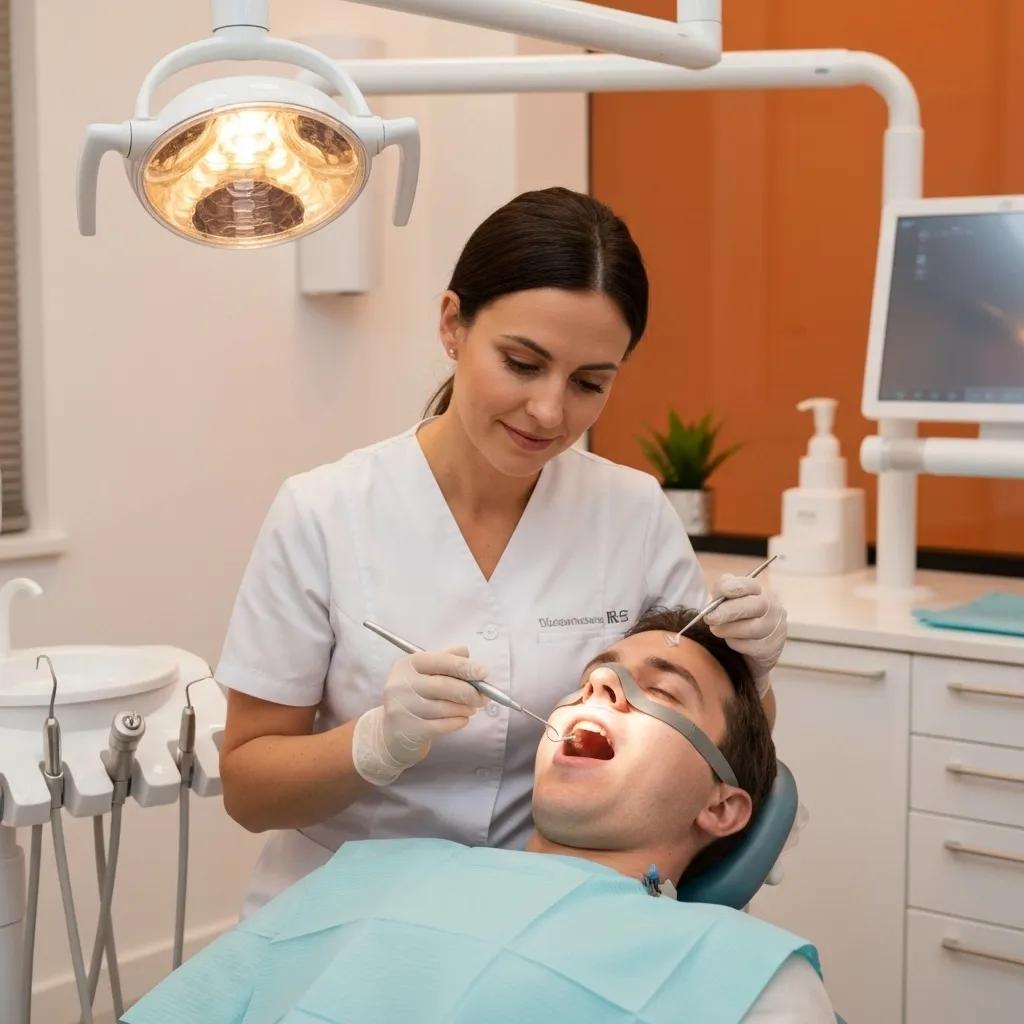
Dentists can identify social sleep apnea by looking for these signs in the mouth and face:
- Tooth wear from grinding (bruxism), which can indicate nighttime awakenings due to airway issues
- Dry mouth and gum inflammation from breathing through the mouth
- Scalloped edges on the tongue, suggesting it’s pressing against the teeth
- A larger neck circumference, noticeable during an external examination
Noticing these signs prompts further screening and supports early intervention with oral appliances, leading into standardized assessment methods.
What Screening Tools Should Dentists Use for Sleep Apnea?
Using validated screening tools improves the accuracy of diagnosis.
| Tool | What It Measures | When to Refer |
|---|---|---|
| STOP-Bang | Snoring, Tiredness, Observed Apnea, Blood Pressure, BMI, Age, Neck circumference, Gender | Score of 3 or higher |
| Berlin Questionnaire | Risk factors, symptoms | High-risk category |
| Intraoral Exam | Palate height, tongue size | Based on clinical judgment |
| Neck Circumference | Risk of airway collapse | Over 40 cm (15.7 inches) |
These methods standardize evaluations and guide decisions for referrals or in-office oral appliance trials. Consistent use promotes smooth integration with medical partners.
How Does Dental Sleep Medicine Work Together with Medical Care?
Dental sleep medicine complements care led by physicians by offering a comfortable alternative when CPAP isn’t well-tolerated. Collaboration involves:
- Working with sleep specialists to confirm apnea severity through polysomnography (sleep studies)
- Sharing treatment plans that detail how to adjust appliance settings
- Maintaining open communication to fine-tune device settings or switch to CPAP if necessary
This coordinated approach ensures seamless patient care and reinforces the dentist’s role as a trusted advisor within the broader sleep medicine team.
What Is Oral Appliance Therapy and How Does It Treat Social Sleep Apnea?
Oral appliance therapy (OAT) uses custom-fit devices that adjust the position of your lower jaw or tongue to keep your airway open while you sleep, directly reducing airway collapse. By moving the lower jaw forward, OAT lifts the hyoid bone and widens the space behind the tongue, improving oxygen intake and sleep continuity.
Oral Appliance Therapy for Obstructive Sleep Apnea: What Works and What Doesn’t
This review article highlights how effective oral appliance therapy (OAT), especially mandibular advancement devices (MADs), is for treating obstructive sleep apnea. OAT is shown to reduce snoring and breathing pauses, improve the apnea-hypopnea index (AHI), and boost oxygen levels, making it a recommended option for individuals with mild to moderate OSA or those who can’t tolerate CPAP.
This citation provides evidence for the effectiveness of oral appliance therapy, supporting the article’s discussion on how these devices function and their clinical advantages.
How Do Mandibular Advancement Devices Keep Airways Open?
Mandibular advancement devices (MADs) work by holding your lower jaw slightly forward, which tightens the soft tissues around your airway. This repositioning lifts the base of your tongue and prevents the back of your throat from collapsing, thereby reducing apnea events and improving oxygen levels during the night.
Because this method is non-invasive, patients often find it more comfortable and easier to use consistently compared to mask-based therapies.
What Are the Advantages of Oral Appliance Therapy Over CPAP?
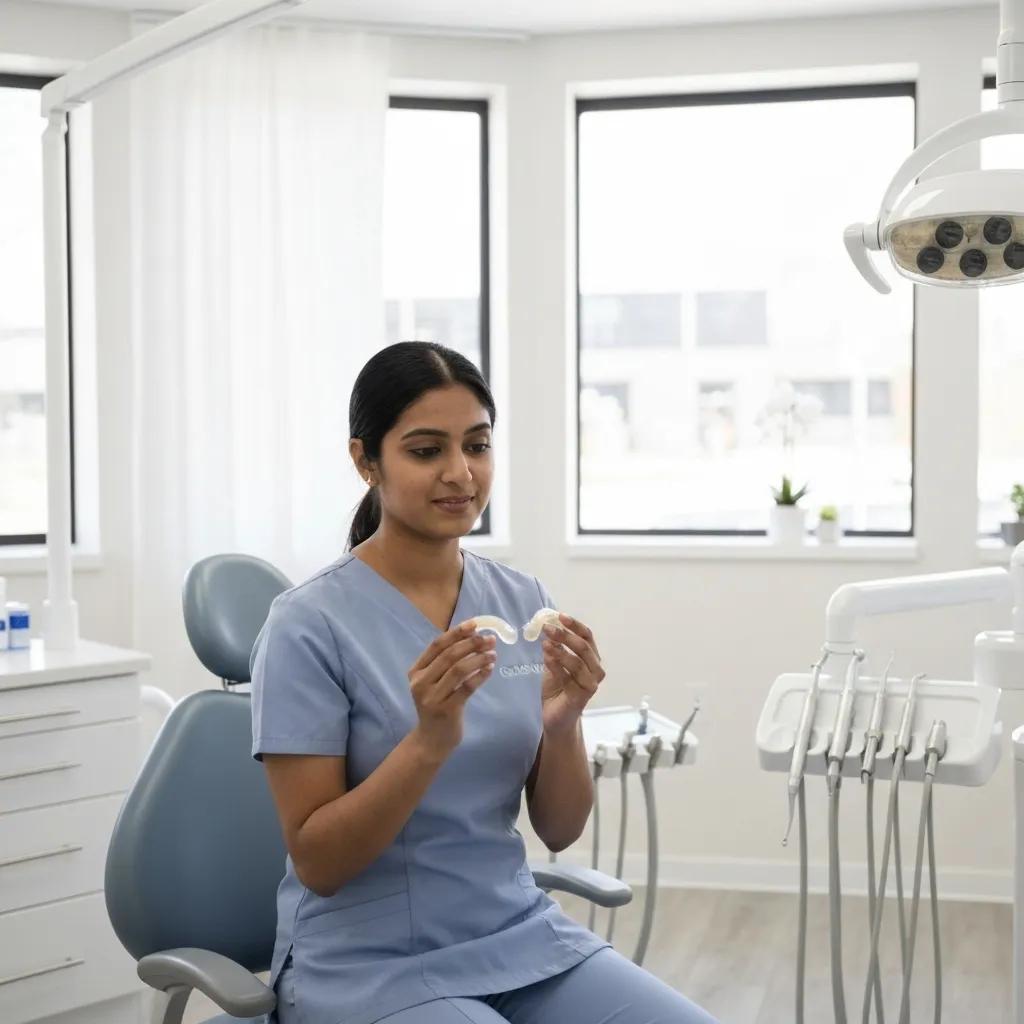
Dentists can emphasize these benefits that matter most to patients:
- Greater comfort and portability encourage long-term use
- Quieter operation without the hassle of masks
- Less nasal congestion and skin irritation
- Simpler maintenance with fewer parts to replace
These advantages lead to better patient experiences and higher satisfaction, especially for improving weekend sleep.
Oral Appliances for Obstructive Sleep Apnea
This publication notes that while continuous positive airway pressure (CPAP) might be more effective at reducing OSA severity, oral appliance therapy (OAT) often achieves similar health outcomes due to better patient adherence. It stresses the importance of custom-made, adjustable mandibular advancement devices and careful patient selection for successful treatment.
This research supports the article’s comparison between oral appliance therapy and CPAP, particularly highlighting OAT’s benefits in patient comfort and compliance, which contribute to overall treatment success.
What Kinds of Oral Appliances Are Available for Social Sleep Apnea?
Dentists can select from several types of appliances that address the dynamics of social sleep apnea:
| Appliance Type | Design Feature | Main Benefit |
|---|---|---|
| Mandibular Advancement Device (MAD) | Adjustable jaw advancement | Tailored airway expansion |
| DreamTAP™ | Cobalt-chromium hardware | Lasting durability and comfort |
| Herbst Appliance | Telescopic connectors | Precise adjustment increments |
| Elastic Mandibular Advancement (EMA) | Elastic connectors | Increased patient comfort |
| Tongue-Stabilizing Device (TSD) | Suction-based tongue holder | Direct support for the back of the airway |
These options allow clinicians to match the device to the patient’s mouth structure, weekend lifestyle, and preferences for comfort.
How Does DDS Lab Network Assist Dentists with Custom Sleep Apnea Appliances?
Core 4 Dental excels at creating precisely fitted oral appliances that manage both ongoing OSA and sudden social sleep apnea episodes. Their collaborative approach enables dentists to provide personalized solutions with efficient processes and expert support.
Understanding what the lab can do prepares dentists for easy case submissions and effective patient guidance.
What Custom Fabrication Choices Does DDS Lab Network Provide?
Core 4 Dental offers a range of custom appliances designed for various treatment needs:
| Appliance | Feature | Benefit | Why It’s Important |
|---|---|---|---|
| dreamTAP™ | Cobalt-chromium frame | Exceptional strength and longevity | Withstands weekend lifestyle demands |
| Herbst | Precise telescopic mechanism | Accurate lower jaw positioning | Allows for fine-tuned adjustments |
| EMA | Elastic connector design | Gentle forward force on the jaw | Maximizes comfort and consistent use |
These fabrication options ensure dentists can recommend appliances perfectly suited to a patient’s habits and mouth structure.
How Does DDS Lab Network Guarantee Precision and Patient Comfort?
The lab uses digital 3D scanning, CAD/CAM technology, and biocompatible materials to create appliances that fit perfectly and minimize irritation to soft tissues. Their quality control includes:
- Virtual model checks for accurate bite alignment
- Polishing and adjustment guides to improve comfort against gums
- Choice of hypoallergenic materials for long-term wear
This dedication to technology and material science ensures reliable treatment results and high patient satisfaction.
What Resources Are Available for Dentists to Submit Sleep Apnea Cases?
DDS Lab Network offers a straightforward “send a case” system that simplifies ordering appliances:
- Fill out the Rx form with patient information and the desired appliance.
- Send digital scans or physical impressions along with bite records.
- Include screening scores and clinical notes to guide the fabrication process.
- Arrange for a pickup or drop-off with a courier for quick turnaround.
By providing clear forms, scheduling assistance, and technical help, the lab streamlines teamwork and boosts clinical efficiency.
How Can Dentists Enhance Patient Results and Grow Their Practice with Sleep Apnea Treatment?
Adding sleep apnea care to general dentistry improves patient health and opens up new practice opportunities. By offering oral appliance therapy, dentists can increase case acceptance, build patient loyalty, and diversify income.
These benefits highlight the strategic value of dental sleep medicine within a comprehensive care model.
What Are the Health Advantages of Treating Social Sleep Apnea with Oral Appliances?
Effective OAT leads to noticeable patient improvements:
- Better sleep patterns reduce daytime fatigue and mood swings
- Lowered risk of heart problems due to stable overnight oxygen levels
- Reduced teeth grinding and associated wear
- Improved metabolic function through restored sleep-wake cycles
These clinical outcomes reinforce the dentist’s role in promoting overall patient well-being.
How Does Offering Sleep Apnea Treatment Expand Dental Practice Services?
Introducing sleep apnea management creates a new service line that:
- Attracts patients looking for non-invasive alternatives to CPAP.
- Increases practice revenue through appliance creation and follow-up appointments.
- Boosts patient retention by addressing significant health concerns.
By presenting dental sleep medicine as a valuable addition, clinics can stand out in the market and achieve practice growth.
What Are the Best Practices for Educating Patients and Following Up?
Proactive communication and monitoring lead to successful treatment:
- Give clear instructions on how to insert, clean, and adjust the device.
- Schedule regular follow-up visits for device adjustments and oral health checks.
- Encourage the use of sleep diaries or apps to track symptom changes.
- Maintain open lines of communication for patient questions to ensure consistent use.
These practices build trust, improve adherence, and support ongoing improvements in weekend sleep quality.
What Are Common Questions About Social Sleep Apnea and Dental Treatment?
Dentists frequently hear these key questions when discussing social sleep apnea and oral appliance therapy.
Can Dentists Effectively Treat Social Sleep Apnea?
Yes, dentists can effectively treat social sleep apnea by using validated screening tools, referring for diagnostics when needed, and providing custom oral appliances that directly address airway collapse during weekend sleep.
How Do I Know If a Patient Needs an Oral Appliance?
A patient might benefit from an oral appliance if screening questionnaires (like STOP-Bang), findings during an oral exam (like teeth grinding or a large tongue), and reported weekend symptom spikes suggest mild to moderate airway obstruction.
What Is the Process for Referring Patients to a Dental Lab?
To refer a case, dentists complete an Rx form, provide digital or physical impressions with bite records, include screening results, and arrange for shipping to the lab’s address for fabrication.
Are Oral Appliances Covered by Insurance?
Many medical and dental insurance plans offer partial coverage for oral appliance therapy as a durable medical device; verifying benefits and using the correct diagnostic codes helps ensure reimbursement.
How Can Dentists Stay Current on Social Sleep Apnea Research and Dental Sleep Medicine Innovations?
Keeping up with new studies, professional guidelines, and continuing education opportunities allows dentists to provide advanced sleep apnea care that meets current clinical standards.
What Are the Latest Studies on Social Sleep Apnea and Weekend OSA?
Recent research has documented increased weekend OSA severity linked to alcohol and inconsistent sleep, with studies showing oral appliances can counteract these temporary risks by maintaining consistent airway openness.
Which Professional Organizations Offer Dental Sleep Medicine Resources?
Dentists can find resources from the American Academy of Dental Sleep Medicine, the American Dental Association’s sleep apnea toolkits, and peer-reviewed journals like the Journal of Dental Sleep Medicine for guidelines and clinical insights.
How Can Continuing Education Improve Sleep Apnea Patient Care?
Participating in specialized courses and certifications, such as dental sleep medicine workshops and online programs—enhances dentists’ screening accuracy, device adjustment skills, and collaboration with other professionals, leading to better patient outcomes.
Partnering with a dedicated dental lab simplifies appliance delivery and case management, allowing dentists to concentrate on patient care while ensuring precisely fitted devices. By embracing social sleep apnea screening, custom oral appliance therapy, and ongoing learning, dental professionals can significantly improve their patients’ weekend rest and foster sustainable practice growth.
About the author of this study
The authors highlighted in this story are sleep researchers from Flinders University in Australia and Dr. Wendy Troxel, an independent expert quoted for additional authority. The Flinders team conducted and published a large-scale, peer-reviewed study in the American Journal of Respiratory and Critical Care Medicine, analyzing data from over 70,000 users to identify new patterns in obstructive sleep apnea (OSA) severity across the week, demonstrating their expertise in sleep medicine and epidemiological research.
Supporting the study’s credibility, Dr. Wendy Troxel is a senior behavioral specialist at the RAND Corporation and a licensed clinical psychologist specializing in sleep research, further lending authority to the coverage. Her expertise in behavioral health and sleep science and her position at a respected think tank reinforce the reliability and significance of the findings discussed in the story, ensuring readers that the analysis is grounded in established scientific knowledge.