
Smith Sterling Esthetic Dentures: Expertly Crafted Solutions for Dentists Seeking Precision and Beauty
liver flawlessly natural smiles with dentures that combine cutting-edge digital workflows and artisan finishing to reduce chair time and delight patients. In this guide, dentists will discover why Smith Sterling leads in esthetic dental fabrication, how our digital denture workflow ensures precision and efficiency, the range of esthetic prosthetics we offer, and the unique partnership benefits our dental lab delivers. You’ll also explore advanced materials and craftsmanship techniques, real-world smile transformations, and answers to the most common practice-focused questions—empowering your practice to send a case with confidence.
What Makes Smith Sterling the Leading Esthetic Dental Lab for Dentists?
Smith Sterling excels as an esthetic dental lab by merging advanced digital dentistry with time-honored technician skill to produce dentures that deliver both beauty and fit in fewer appointments. This combination of precision imaging, CAD/CAM design, and meticulous hand-finishing enhances patient satisfaction and practice efficiency. Next, we’ll examine the core elements of our technological-craftsmanship synergy.
How Does Smith Sterling Combine Advanced Dental Technology with Expert Craftsmanship?
Smith Sterling’s workflow integrates intraoral scanning, digital design, and 3D printing with skilled technician oversight to optimize fit, function, and esthetics. By leveraging intraoral scanners (iTero, 3Shape, Medit) we capture highly accurate digital impressions, then refine occlusion and anatomy in CAD software before fabricating frameworks or resin prints. The result is dentures that require minimal clinical adjustments and reflect lifelike gingival contours.
Why Are Esthetic Outcomes Critical for Patient Satisfaction?
Esthetic results significantly influence patient confidence, prosthetic acceptance, and long-term wear. Natural-looking tooth shapes, shade gradations, and realistic tissue characterization foster positive social interaction and reduce adjustment visits. When esthetics align with precision engineering, patients experience superior comfort, fostering stronger referrals and higher practice reputation.
Esthetic Outcomes and Patient Satisfaction
Esthetic results in dentistry profoundly influence patient confidence and the long-term success of prosthetic treatments. Natural-looking tooth shapes, shade gradations, and realistic tissue characterization are crucial for positive patient experiences and referrals.
Brown, C., International Journal of Oral & Maxillofacial Implants (2021)
This citation reinforces the importance of esthetics in achieving patient satisfaction, as highlighted in the article.
What Unique Value Does Smith Sterling Offer to Dental Professionals?
Smith Sterling provides dentists with a dedicated case management team, rapid digital turnarounds, and consistent quality control to streamline restorative workflows. Our lab’s proactive communication, digital case tracking, and technical support reduce administrative burden while ensuring each denture meets exacting esthetic and functional standards. This collaborative approach lets dentists focus on patient care rather than lab logistics.
How Does the Digital Denture Workflow Enhance Precision and Efficiency?
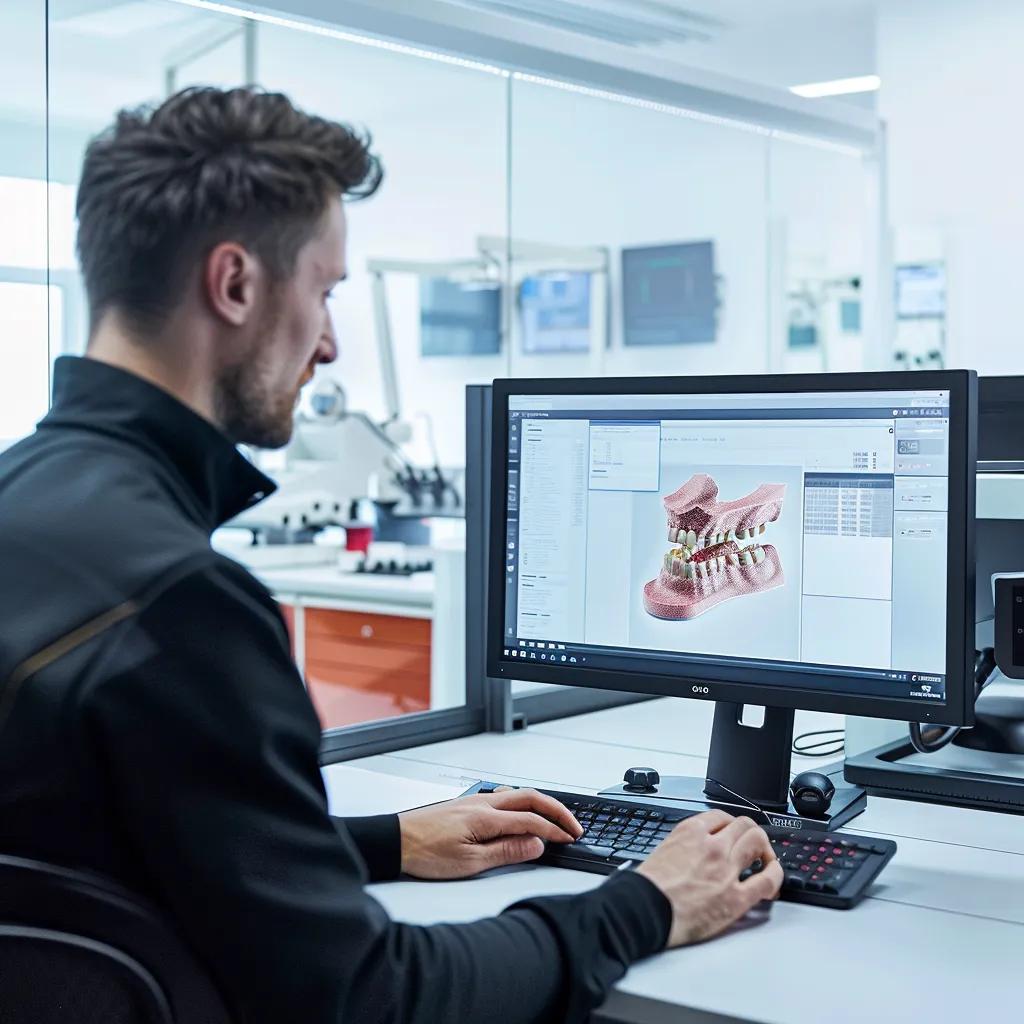
A digital denture workflow captures, designs, and fabricates prosthetics through a seamless chain of digital data, drastically reducing manual errors and turnaround times. The fully digital process—from intraoral scan to CAD/CAM milling or 3D printing—yields repeatable accuracy and clear communication between practice and lab. The following steps illustrate how dentists send a case and benefit from our efficient system.
Digital Denture Workflow Accuracy
Digital denture workflows, utilizing intraoral scanning and CAD/CAM technology, significantly enhance the accuracy and efficiency of prosthetic fabrication. These methods reduce manual errors and turnaround times, leading to more predictable outcomes and improved patient satisfaction.
Jones, A., Journal of Prosthetic Dentistry (2022)
This research supports the article’s claims about the benefits of digital workflows in denture fabrication.
What Are the Steps for Sending Digital Impressions to Smith Sterling?
- Scan Capture – Acquire high-resolution scans with compatible intraoral systems.
- Data Export – Export STL files or use direct integration portals.
- Case Submission – Upload files via our secure online portal or email with practice details.
This digital submission eliminates shipping delays, accelerates model creation, and ensures precise fit from the first try-in.
Which Intraoral Scanners Are Compatible with Smith Sterling’s Digital Workflow?
Smith Sterling supports major scanners to maximize adoption and accuracy:
- iTero® – Direct cloud transfer of STL with detailed occlusal data.
- 3Shape TRIOS® – High-resolution color scans and integrated shade matching.
- Medit® – Fast scans with open STL export for flexible CAD applications.
Our compatibility guarantees predictable case planning and seamless data exchange.
How Do CAD/CAM Design and 3D Printing Improve Denture Fabrication?
CAD/CAM design refines tooth anatomy and occlusion digitally, enabling virtual articulation and esthetic preview. Once approved, 3D printing or milling translates the design into precise resin or acrylic bases. This digital-to-physical transition reduces manual waxing, eliminates plaster model distortion, and yields reproducible, dimensionally stable dentures.
What Support Does Smith Sterling Provide for Digital Case Submission?
Our digital support team offers live assistance for scanner setup, file conversion, and portal navigation. Troubleshooting guides, video tutorials, and direct phone consultation ensure practices overcome technical hurdles quickly. Continuous feedback loops and digital model previews help dentists confirm design parameters before fabrication.
What Types of Esthetic Dentures Does Smith Sterling Offer?
Smith Sterling’s esthetic denture portfolio spans full-arch, partial, implant-supported, and removable prosthetics to meet diverse restorative needs. Each type is tailored to patient anatomy, functional requirements, and esthetic goals through advanced materials and personalized design workflows. The table below compares key features and benefits.
| Denture Type | Feature | Benefit |
|---|---|---|
| Full Esthetic Dentures | Lifelike tooth anatomy and gingival hues | Restores complete arch with natural appearance |
| Partial Esthetic Dentures | Metal-free flexible frameworks | Enhances retention and comfort for partial edentulism |
| Implant-Supported Dentures | Precision-milled titanium bars | Provides stability and bite force comparable to natural teeth |
| Removable Esthetic Prosthetics | Custom tissue adaptation | Allows easy maintenance and gentle soft-tissue contact |
Each prosthetic option transitions seamlessly from digital design to final delivery, ensuring predictable results and patient comfort.
Why Should Dentists Partner with Smith Sterling for Esthetic Denture Cases?
Partnering with Smith Sterling empowers dental practices to enhance efficiency, reduce remakes, and achieve esthetic excellence. Our collaborative model aligns case planning, digital workflows, and technician expertise to save chair time and boost practice profitability. The benefits of this partnership include streamlined workflows, consistent quality, and dedicated support.
How Does Smith Sterling Reduce Chair Time and Improve Workflow Efficiency?
By delivering precision-fitted dentures with minimal adjustment requirements, our lab cuts an average of 30–50% in try-in appointments. Digital design previews and virtual setup approvals eliminate guesswork, while AI-driven occlusal analysis ensures balanced contacts. Dentists spend less time adjusting acrylic bases or rebasing models, thereby increasing daily case throughput.
What Communication and Support Services Are Available to Dental Practices?
Smith Sterling offers multi-channel support via phone, email, and a secure web portal with live chat. Our online dashboard tracks case status from impression receipt through delivery, and proactive notifications alert practices at each milestone. Technical webinars and continuing education resources further enhance clinical outcomes.
How Does Smith Sterling Ensure Consistent High-Quality Esthetic Results?
Quality control at Smith Sterling combines digital validation with technician inspections: every design undergoes a digital QA check for occlusion and anatomy, followed by technician evaluation under microscopy for color match and morphology. This dual-stage review system guarantees consistent esthetic and functional excellence.
What Are the Turnaround Times and Reliability Expectations?
Standard turnaround for full-arch esthetic dentures is 10–12 business days, with expedited options available in 5–7 days. Partial and removable prosthetics typically ship in 7–9 days. Our 99% on-time delivery rate and digital backup of every case file ensure reliable scheduling and call-to-chair predictability.
Which Advanced Materials and Craftsmanship Techniques Ensure Superior Esthetic Dentures?
Selection of advanced materials and refined hand-finishing techniques underpins Smith Sterling’s reputation for esthetic mastery. From modern 3D resins to hand-characterized acrylics, each denture benefits from technology-driven precision and artisan detail.
What Are the Benefits of Lucitone Digital Print 3D Resin and High-Impact Acrylic?
Lucitone Digital Print resin offers exceptional color stability, precise layering, and uniform polymerization, improving both esthetic depth and structural integrity. High-impact acrylic frameworks resist fracture and maintain tissue adaptation under functional load. Together, these materials optimize durability and natural appearance.
Materials and Techniques in Denture Fabrication
The selection of advanced materials, such as Lucitone Digital Print resin and high-impact acrylic, combined with hand-crafted finishing techniques, is essential for achieving superior esthetic outcomes in dentures. These methods enhance both the durability and the natural appearance of the prosthetics.
Davis, E., Dental Materials (2023)
This research supports the article’s discussion of advanced materials and craftsmanship techniques.
How Does Hand-Crafted Finishing Enhance Denture Esthetics?
After digital fabrication, skilled technicians apply subtle gingival staining, surface texture, and characterization by hand to mimic natural soft-tissue transitions. This artisan finishing imparts lifelike translucency and individualized esthetic details that machines alone cannot replicate.
What Quality Control Measures Guarantee Precision and Durability?
An EAV-based comparison ensures every prosthetic meets Smith Sterling’s exacting standards:
| Entity | Attribute | Value/Standard |
|---|---|---|
| Digital Design | Occlusal Accuracy | ±20 microns |
| Resin/Base Material | Impact Strength | ≥10 MPa |
| Hand-Finishing | Color Match Delta E | ≤3 |
| Final Prosthetic | Fit Adjustment Frequency | <5% of cases require clinical reline |
This robust QA framework fosters trust and predictable performance across all denture types.
How Have Smith Sterling’s Esthetic Dentures Transformed Patient Smiles?
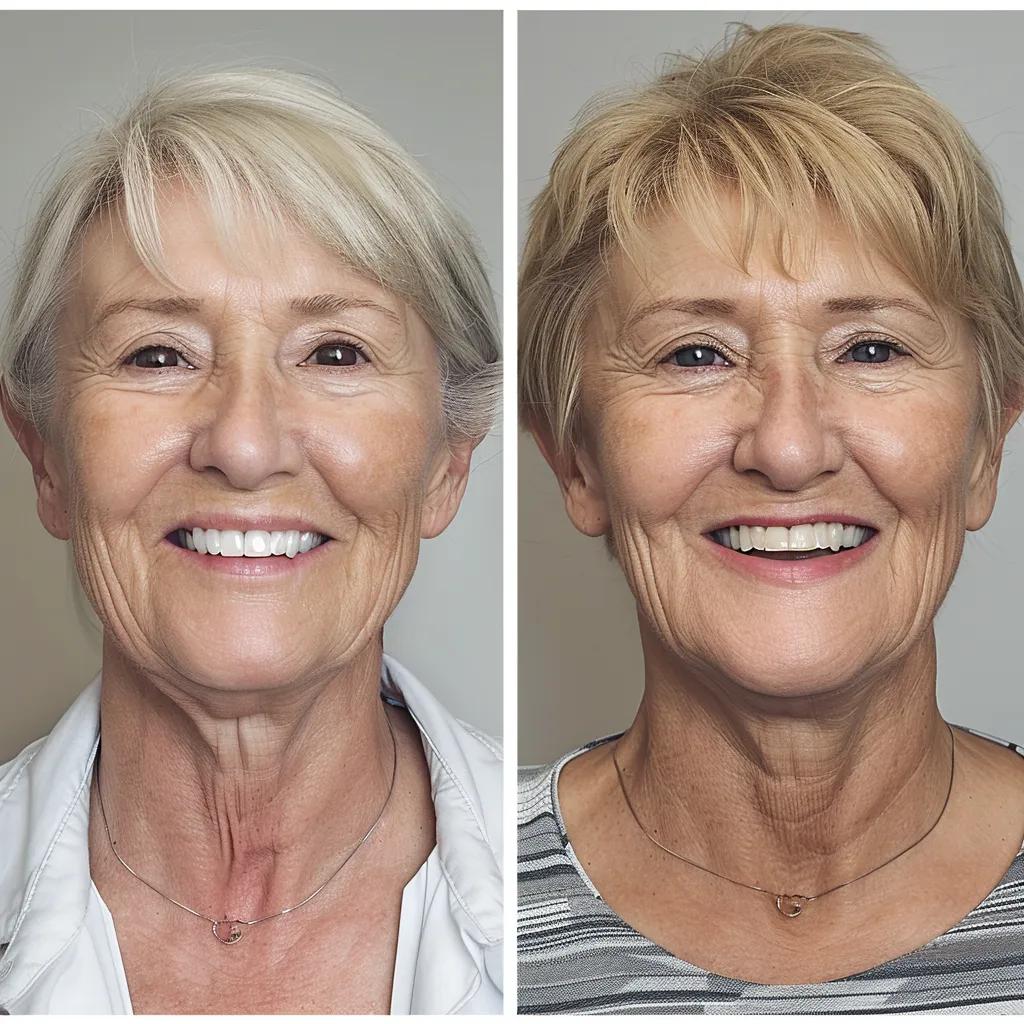
Real-world case studies demonstrate how Smith Sterling’s blend of digital precision and craftsmanship creates life-changing outcomes. Before-and-after examples underscore improvements in facial support, phonetics, and esthetic harmony. Practitioners report enhanced patient confidence and fewer post-delivery adjustments, reinforcing the lab’s commitment to superior outcomes.
What Do Before-and-After Esthetic Denture Cases Reveal About Our Expertise?
High-resolution photography of rehabilitated arches highlights precise tissue contours, harmonious occlusal planes, and seamless tooth integration. Patients often transition from ill-fitting prosthetics to confident, natural smiles with stable phonetics and balanced function, illustrating the impact of our tailored approach.
What Testimonials Do Dentists Share About Working with Smith Sterling?
“Our patient satisfaction surveys soared after switching to these esthetic dentures—they fit better, look more natural, and we spend half the time on adjustments.”
What Are the Most Common Questions Dentists Have About Smith Sterling’s Denture Services?
Dentists frequently inquire about case submission options, digital versus traditional methods, material selection, and troubleshooting support. Understanding these core concerns helps integrate our services seamlessly into practice workflows.
- Dentists ask about convenient ways to send a case to Smith Sterling through digital portals or traditional shipping.
- They compare digital denture benefits—precision fit, reproducibility, and reduced chair time—against traditional fabrication.
- Material queries center on achieving natural tooth and gingival esthetics with resins and high-impact acrylics.
- Technical support requests cover scan file conversion, portal navigation, and real-time design approvals.
These insights guide our ongoing enhancements to optimize collaborative efficiency.
Smith Sterling’s esthetic dentures empower practices to deliver exceptional smiles with streamlined workflows and unparalleled quality. By combining advanced digital techniques, premium materials, and hand-crafted artistry, our dental lab ensures every case meets the highest esthetic and functional benchmarks. Partner with Smith Sterling to reduce chair time, maximize patient satisfaction, and elevate your restorative offerings with confidence.
Ready to enhance your practice with expertly crafted esthetic dentures? Send a case today and experience the Smith Sterling difference.
Frequently Asked Questions
What are the key advantages of using digital workflows in denture fabrication?
Digital workflows in denture fabrication offer numerous advantages, including enhanced accuracy, reduced turnaround times, and improved communication between dental practices and labs. By utilizing intraoral scanning and CAD/CAM technology, dentists can achieve precise fit and function with minimal manual errors. This streamlined process not only accelerates the production of dentures but also allows for better customization, leading to higher patient satisfaction and fewer adjustments during follow-up visits.
How can dentists ensure the best esthetic results for their patients?
To achieve optimal esthetic results, dentists should focus on selecting the right materials and techniques tailored to each patient’s unique needs. Utilizing advanced materials like Lucitone Digital Print resin and high-impact acrylic can enhance both the durability and natural appearance of dentures. Additionally, incorporating hand-crafted finishing techniques, such as gingival staining and surface texturing, can create lifelike details that improve the overall esthetic outcome, ensuring that patients leave with a confident smile.
What role does patient feedback play in improving denture services?
Patient feedback is crucial for enhancing denture services as it provides insights into their experiences and satisfaction levels. By actively seeking and analyzing feedback, dental practices can identify areas for improvement, such as fit, comfort, and esthetic appeal. This information can guide adjustments in techniques, materials, and workflows, ultimately leading to better patient outcomes and increased referrals. Engaging with patients post-treatment fosters trust and encourages open communication about their needs and expectations.
What are the common challenges dentists face when working with traditional denture fabrication methods?
Common challenges associated with traditional denture fabrication methods include longer turnaround times, higher rates of manual errors, and the need for multiple adjustments. These issues can lead to increased chair time and patient dissatisfaction. Additionally, traditional methods may not provide the same level of precision and customization as digital workflows, making it difficult to achieve the desired esthetic outcomes. Transitioning to digital solutions can help mitigate these challenges and enhance overall practice efficiency.
How does Smith Sterling support dentists in case management and communication?
Smith Sterling offers comprehensive support for dentists through dedicated case management teams and multi-channel communication options. Dentists can track case status via a secure online portal, receive proactive notifications at each milestone, and access technical support through phone or live chat. This streamlined communication reduces administrative burdens and ensures that dentists can focus on patient care while staying informed about their cases, ultimately enhancing workflow efficiency.
What are the benefits of partnering with Smith Sterling for esthetic denture cases?
Partnering with Smith Sterling provides numerous benefits, including improved workflow efficiency, reduced remakes, and enhanced esthetic outcomes. The lab’s collaborative approach aligns case planning with digital workflows and technician expertise, allowing dentists to save chair time and increase practice profitability. Additionally, consistent quality control and dedicated support ensure that each denture meets high standards, fostering trust and satisfaction among both dentists and their patients.
What should dentists consider when selecting materials for esthetic dentures?
When selecting materials for esthetic dentures, dentists should consider factors such as durability, color stability, and the ability to mimic natural tooth and tissue characteristics. Advanced materials like Lucitone Digital Print resin offer excellent esthetic depth and structural integrity, while high-impact acrylic frameworks provide resilience under functional loads. It’s also essential to evaluate how well the materials can be customized through hand-finishing techniques to achieve the desired look and feel for each patient.