
Discover the Best Dental Lab in Phoenix – Trusted & Local Dental Lab Services for Dentists
Finding a reliable, fast, and technically capable dental lab in Phoenix is essential for modern dental practices seeking predictable clinical outcomes and streamlined workflows. This article explains how local dental laboratory services operate, what digital dentistry adds to accuracy and speed, and practical steps Phoenix dentists can take to send cases with minimal friction. You will learn about core services—crowns, bridges, implants, removable appliances, and sleep apnea solutions—how material choices like BruxZir and E.max influence outcomes, and what turnaround options such as overnight crowns mean for chairside scheduling. The guide also reviews digital workflow compatibility, scanner file formats, and quality-control checkpoints that reduce remakes and improve first-fit rates. Read on for step-by-step submission instructions, comparative EAV tables to simplify decisions, and concise FAQs optimized for busy clinicians seeking actionable answers.
Why Is Core 4 Dental the Best Dental Lab Choice for Phoenix Dentists?
Core 4 Dental is an agile network of dental laboratories that combines digital scalability with local responsiveness to address common practice pain points such as turnaround time, remakes, and communication gaps. The network model enables flexible capacity and optimized digital workflows that translate into faster production cycles and more predictable prosthetic fit. For Phoenix dentists, this means access to expedited services like Overnight Crowns and consistent materials choices across local lab partners. The following subsections break down the unique benefits, how overnight workflows function, and why a local partnership matters for logistics and patient care.
What Unique Benefits Does Core 4 Dental Offer Phoenix Dental Practices?
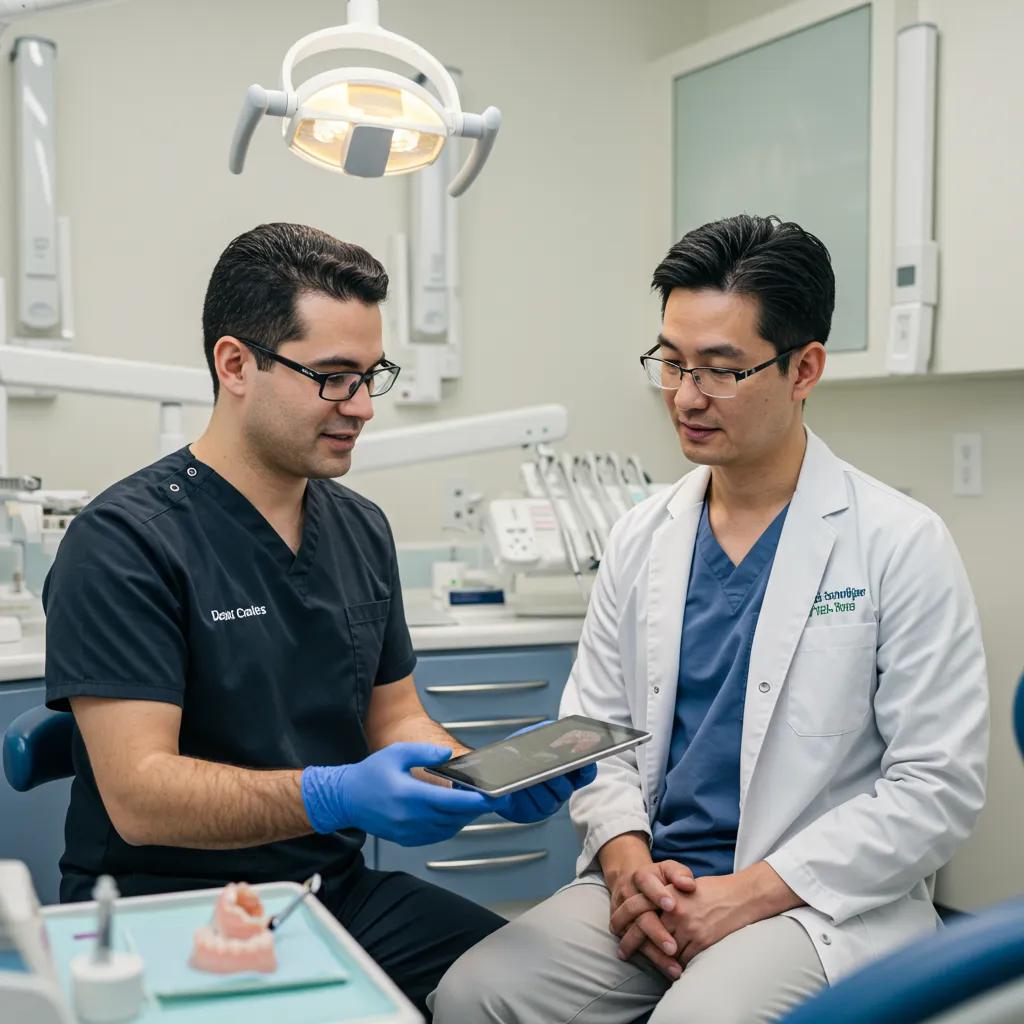
Core 4 Dental provides dedicated communication channels, continuous technician training, and adaptable laboratory protocols that reduce uncertainty for clinicians and staff. Dedicated customer agents and technical advisors help translate clinical instructions into precise lab workflows, which often leads to fewer shade and fit remakes. Network agility allows capacity to scale for surge needs, improving turnaround without sacrificing quality. These operational elements directly benefit chairside efficiency, allowing practices to schedule fewer follow-ups and more predictable seatings, and the next section explains how that agility supports overnight crown workflows.
How Does Core 4 Dental Ensure Fast Turnaround with Overnight Crowns in Phoenix?
Overnight Crowns rely on a tightly coordinated digital workflow: a high-quality intraoral scan is submitted, CAD design is finalized, CNC milling or 3D printing produces the substructure, technicians finish and polish, and expedited shipping returns the restoration within the defined overnight window. Quality checkpoints are embedded at each step—digital design review, mill verification, and final technician inspection—to preserve fit despite accelerated timelines. This workflow suits urgent single-unit restorations or when a rapid replacement is required to avoid extended provisional use. Understanding these steps helps practices decide when to use expedited production versus standard timelines for complex cases.
Why Is Local Partnership Important for Phoenix Dentists?
A local partnership reduces shipping time, simplifies logistics for pick-up or same-day handoffs, and fosters relationship-driven problem solving that remote vendors may struggle to match. Local lab partners can coordinate pickups within region-specific shipping windows and provide quicker shade verification or try-in support when necessary. Trust built through regular communication enhances collaboration on complex cases like full-arch restorations and sleep apnea devices. These regional benefits illustrate why pairing digital agility with local responsiveness matters for both clinical outcomes and practice workflow stability.
What Comprehensive Dental Lab Services Are Available in Phoenix?
A full-service Phoenix dental lab offers the range of prosthetic and appliance options clinicians need to manage restorative, prosthetic, and sleep-related treatments efficiently and predictably. Core services include crowns and bridges, implant prosthetics, removable dentures and partials, and oral appliances for sleep-disordered breathing, each delivered with material and digital workflow options that match clinical indications. The following subsections outline crown/bridge solutions, implant services, removable appliance capabilities, and sleep apnea device support, plus an EAV-style table to compare services at a glance.
Different Phoenix practices require clear comparisons of services to select the optimal lab solution.
| Service | Typical Indications | Key Materials | Typical Turnaround |
|---|---|---|---|
| Crowns & Bridges | Single unit restorations, multi-unit restorations, esthetic anterior and high-load posterior cases | BruxZir zirconia, E.max, PFM options | Standard 5–10 business days; expedited/overnight available |
| Implant Prosthetics | Single implants, multi-unit prostheses, full-arch restorations | Custom abutments, CAD/CAM frameworks, zirconia or titanium substructures | Standard 7–14 business days; surgical guides printed in 3–5 days |
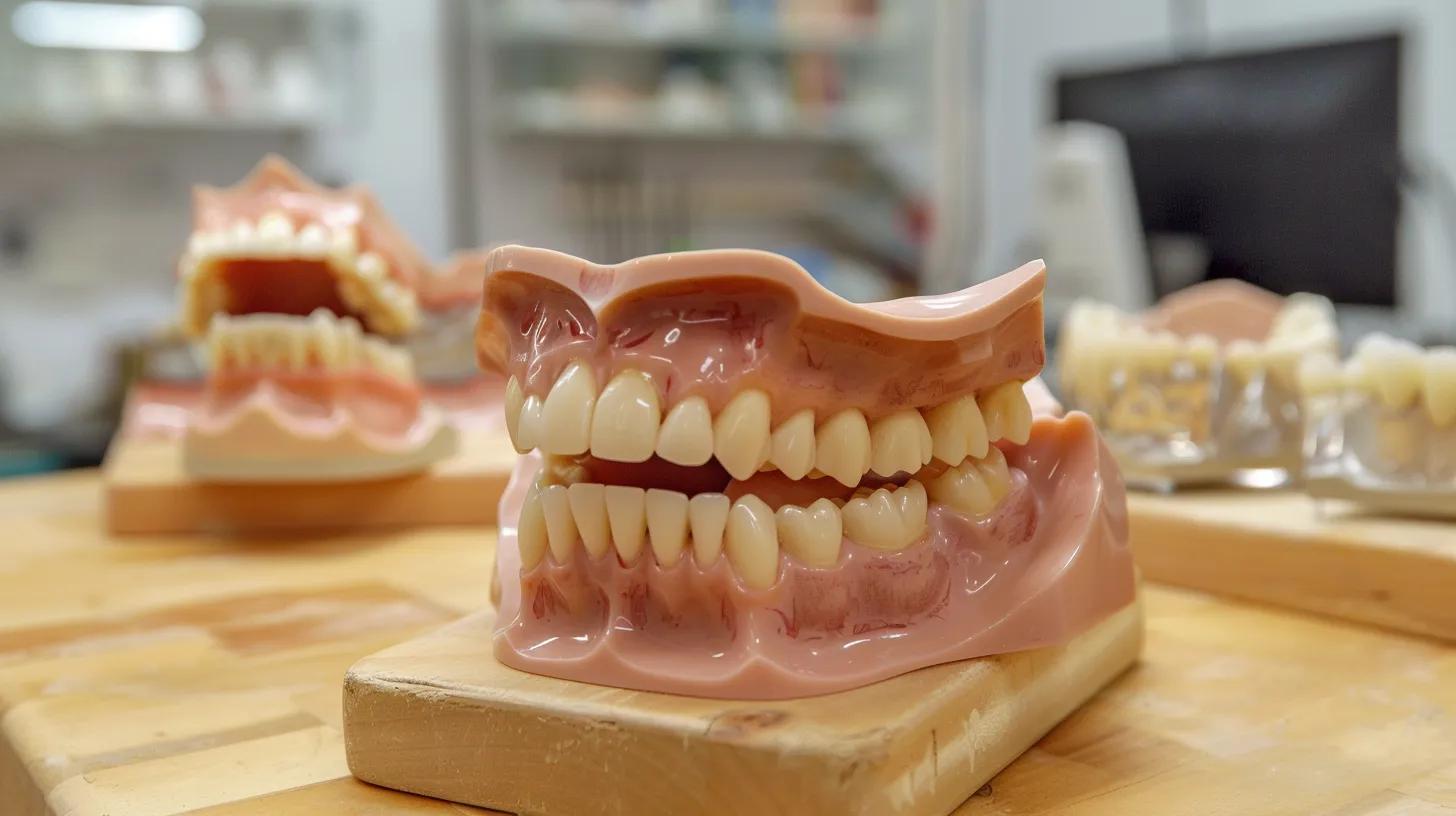
| Removable Appliances | Full dentures, partials, immediate dentures, repairs | PMMA, specialty base resins, flexible partial materials | Standard 7–14 business days; repairs/relines expedited |
| Sleep Apnea Devices | Mandibular advancement devices, night guards for airway management | Thermally formed/acrylic appliances, adjustable titration components | Typically 7–14 business days; digital workflows may speed production |
This table helps clinicians match clinical needs to lab capabilities and expected timelines. The next subsections describe product-specific considerations and how Core 4 Dental supports these services in practice.
Which Crown and Bridge Solutions Does Core 4 Dental Provide in Phoenix?
Crowns and bridges span multiple material classes to address esthetic, strength, and occlusal demands; options include full-contour zirconia, layered zirconia (for enhanced translucency), E.max lithium disilicate for high-esthetic anterior work, and porcelain-fused-to-metal for specific cases. Material selection depends on occlusal load, bruxism considerations, and esthetic zone demands; BruxZir is commonly used where high strength and resilience are priorities, while E.max serves anterior cases requiring superior translucency. Core 4 Dental’s digital workflows allow consistent design and repeatable outcomes across these material choices, enabling predictable bridge span frameworks and precise marginal fit. This material-specific approach reduces remakes and improves the clinician’s ability to match functional and esthetic goals.
What Implant Dental Lab Services Are Offered Locally in Phoenix?
Local implant services include design and fabrication of implant crowns, custom abutments, multi-unit prostheses, and full-arch fixed solutions, supported by digital implant planning and surgical guide production. Digital planning can integrate scan and CBCT data to create predictable prosthetic-driven surgical guides and provisional workflows that align clinician intent with lab fabrication. Coordination between the laboratory technicians and the restorative team optimizes abutment selection and emergence profile to improve soft-tissue outcomes. These capabilities simplify complex restorative sequences and reduce coordination time between surgical and restorative phases.
How Does Core 4 Dental Support Removable Dental Appliances for Phoenix Practices?
Removable services cover custom full dentures, partial frameworks, immediate dentures, and repair or reline workflows with an emphasis on fit, occlusion, and patient esthetics. Digital denture workflows—where applicable—use intraoral or model scans to design tooth setups and base contours that improve reproducibility and reduce chair adjustments. Repair and reline protocols are streamlined to minimize patient downtime, and material selection focuses on long-term color stability and comfort. Core 4 Dental’s technician training and QC processes aim to deliver removable appliances that require fewer post-delivery adjustments and enhance patient satisfaction.
What Specialized Sleep Apnea Solutions Are Available from Phoenix Labs?
Oral appliance therapy options produced by local labs include mandibular advancement devices and custom night appliances designed to address mild-to-moderate obstructive sleep apnea and snoring when clinically indicated. The lab’s role involves accurate impression capture or digital scans, precise fabrication for titratable adjustments, and coordination with prescribing clinicians or sleep specialists on device parameters. Proper device design balances retention, patient comfort, and adjustability to maintain airway patency while minimizing TMJ or occlusal side effects. Clear communication between clinician and lab on titration protocols and follow-up procedures reduces the need for iterative remakes.
How Does Digital Dentistry Enhance Phoenix Dental Lab Services?
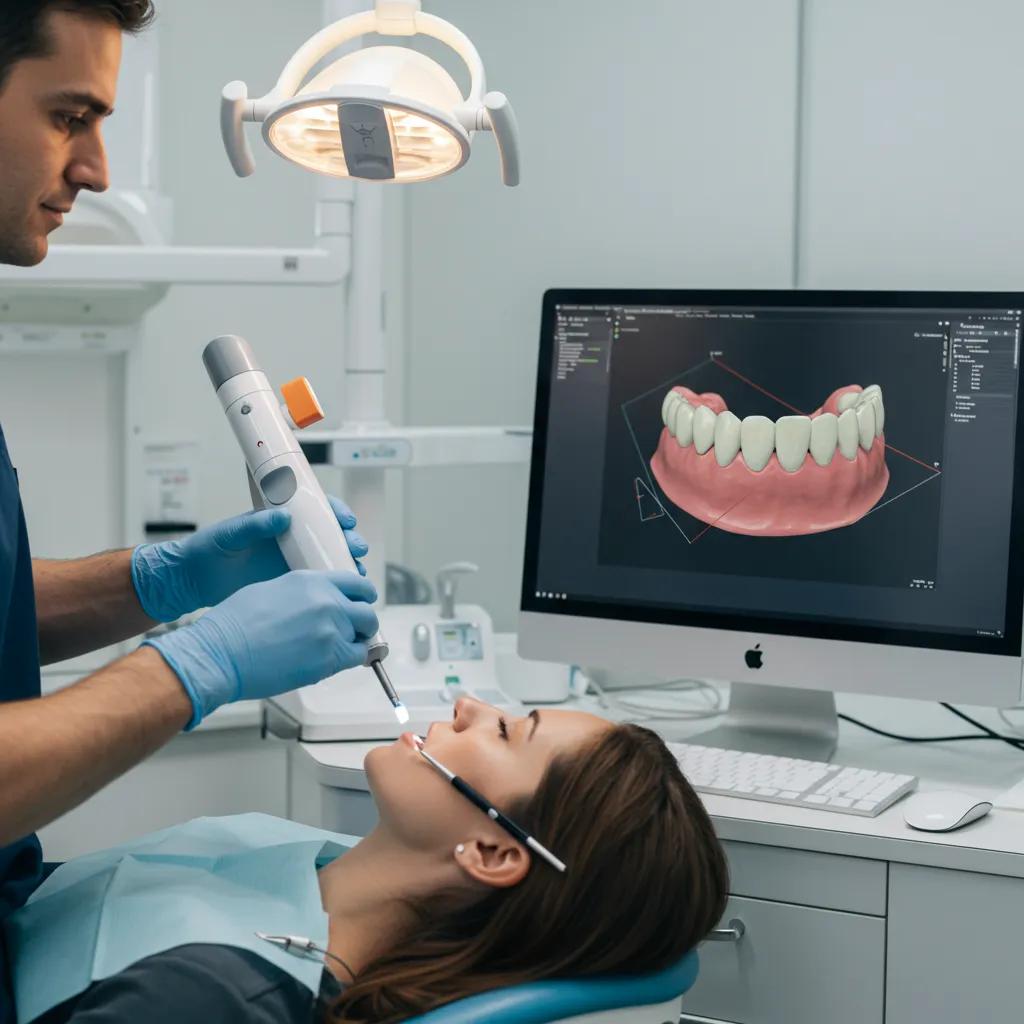
Digital dentistry accelerates production, improves fit accuracy, and reduces communication errors by transferring high-fidelity digital impressions and design specifications directly to fabrication equipment. Technologies such as intraoral scanning, CAD/CAM software, 3D printing for models and guides, and cloud-based case management form an integrated chain that shortens turnaround and lowers remake risk. Digital files (STL/PLY) preserve geometric fidelity and can be archived for future restorations or rapid remakes. The subsections below list specific technologies used, explain accuracy improvements, and summarize scanner compatibility to help practices evaluate digital readiness.
Digital workflows also change submission mechanics and allow laboratories to offer services like Overnight Crowns reliably due to repeatable digital handoffs.
- CAD/CAM dental design and milling improve marginal fit and internal adaptation for crowns and bridges.
- 3D printing enables rapid production of models, provisional restorations, and surgical guides with consistent geometry.
- Cloud-based case management provides real-time tracking, notes, and file exchange between clinic and lab.
These combined technologies reduce chair time and enable practices to shift from impression logistics to digital file transfers, which the next subsection details.
What Digital Workflow Technologies Does Core 4 Dental Use in Phoenix?
Core 4 Dental leverages CAD/CAM design software for virtual restorations, CNC milling for zirconia and metal substructures, and 3D printing for diagnostic models and surgical guides, while cloud-based case management centralizes communication and file exchange. Each technology serves a distinct role: CAD/CAM ensures repeatable design parameters, milling provides precise substructure fabrication, and printing speeds production of models and guides used in implant workflows. Cloud case management reduces versioning errors by preserving design iterations and clinician notes, improving QA prior to fabrication. These tools collectively lower the incidence of fit-related remakes and enhance overall practice efficiency.
Studies have demonstrated the clinical acceptability of single crowns fabricated exclusively via digital workflows, highlighting the accuracy achievable with these advanced systems.
Clinical Accuracy of Digital Workflow for Single Crowns
The objective of this study was to compare the accuracy of single crowns fabricated exclusively via the digital workflow of two distinct systems. The null hypothesis posited that there would be no significant difference between the two systems regarding marginal and internal accuracy.
In 14 patients, 13 molars and 1 premolar were prepared. Each preparation was scanned intraorally using two different digital impression systems: Lava COS and Cerec AC. Based on these digital data, Lava DVS crowns [DVS] and Vita Rapid Layering Technique crowns [RLT] were fabricated, respectively. Both systems comprised a zirconia framework with digitally fabricated silicate ceramic veneering. The marginal and internal fit of the crowns was assessed using a replica technique. The replicas were examined under a microscope at ×200 magnification. The Wilcoxon signed rank test was employed to determine if significant differences existed between the two systems at a significance level of p ≤ 0.05.
The results, expressed in micrometers (± standard deviation), were as follows: marginal gap, 51 (±38) for [DVS] and 83 (±51) for [RLT]; mid-axial, 130 (±56) for [DVS] and 128 (±66) for [RLT]; axio-occlusal, 178 (±55) for [DVS] and 230 (±71) for [RLT]; and centro-occlusal, 181 (±41) for [DVS] and 297 (±76) for [RLT]. The Wilcoxon signed rank test indicated statistically significant differences for the marginal, axio-occlusal, and centro-occlusal gaps.
The exclusively digital workflow, utilizing intraoral digital impressions, yielded clinically acceptable outcomes for single crowns with both evaluated systems.
The clinical accuracy of single crowns exclusively fabricated by digital workflow—the comparison of two systems, S Wolfart, 2013
How Do Digital Impressions Improve Accuracy and Efficiency for Phoenix Dentists?
Digital impressions increase accuracy by capturing soft-tissue and margin detail with fewer distortions than analog impressions, which reduces adjustments at seating and shortens overall restorative timelines. The patient experience improves due to reduced gag reflex and shorter intraoral procedures, while files transfer instantly to the lab, removing shipping delays and physical model handling. Digital archives also enable rapid remakes and efficient shade and design communication when combined with standardized photography. Practices that invest in scan quality and consistent scanning protocols typically see measurable reductions in remakes and quicker prosthetic delivery.
Which Intraoral Scanners Are Compatible with Core 4 Dental’s Phoenix Labs?
Core 4 Dental accepts digital scans from all major systems and standard file types such as STL and PLY, enabling compatibility across different intraoral scanner vendors and clinic workflows. Submitting high-resolution, uncompressed files and including clinical photos and margin markers improves lab interpretation and reduces iteration cycles. Scanner-specific best practices—such as capturing full arch bite records and opposing arch scans where indicated—help the laboratory preserve occlusal accuracy. When scan quality issues occur, labs commonly request rescans or clarifying photos to avoid fabricating restorations that require chairside rework.
How Do Phoenix Dentists Send Cases to Core 4 Dental?
Submitting cases to a dental laboratory involves a predictable set of steps whether using digital files or physical impressions; clarity and completeness in submission reduce back-and-forth and speed production. The network supports both digital submission paths and conventional impression shipping, and provides resources such as welcome kits and shipping labels to simplify logistics. Below are EAV-style submission comparisons and actionable numbered steps optimized for busy dental offices to capture the necessary protocol for both digital and physical cases.
For clarity, the table below compares submission pathways and expected timelines for Phoenix practices.
| Submission Type | Steps Required | Accepted File Types/Scanners | Estimated Turnaround |
|---|---|---|---|
| Digital Scan Submission | Scan –> Upload to portal –> Add case notes/photos –> QA confirmation | STL, PLY; all major intraoral scanners accepted | Standard 5–10 business days; expedited available |
| Physical Impression Submission | Disinfect –> Pack impressions with bite –> Complete lab form –> Ship or schedule pickup | PVS impressions, boxed models | Standard 7–14 business days; repairs faster |
| Hybrid Submission | Scan + mailed opposing or analog records –> Lab aligns files –> QA | Mixed file sets; photos | Depends on case complexity; typically same as digital after QA |
This table makes submission options and expectations clear for practice coordinators. The next subsections provide step-by-step instructions and describe communication and tracking supports.
What Are the Steps to Submit a Digital or Physical Case in Phoenix?
Submitting a case digitally begins with acquiring a high-quality intraoral scan, preparing comprehensive case notes and shade photos, uploading files to the lab portal, and confirming receipt and QA feedback before production. For physical cases, disinfect impressions per protocols, box them with bite registration and lab forms, attach clear labeling, and ship with preferred carrier or schedule a local pickup when available. Practices should include patient photos and margin markers to reduce interpretation ambiguity and speed QA. Clear documentation of occlusal scheme, luting preferences, and any special instructions reduces iteration and aligns expectations for final seating.
How Does Core 4 Dental Support Phoenix Dentists with Dedicated Communication?
Assigned customer agents and technical advisors provide a single point of contact to interpret clinical notes, clarify shade or margin questions, and expedite resolutions when issues arise, reducing case turnaround uncertainty. Preferred communication channels include portal notes and organized email or phone callbacks coordinated through the assigned agent, which reduces duplication and information loss. Technical advisors can review scans or photos pre-production to flag potential preparation or occlusion concerns, leading to fewer remakes. This direct support model improves clinician confidence and shortens resolution timelines for adjustments or clarifications.
What Tools and Resources Are Available for Phoenix Dentists to Track Their Cases?
Cloud-based case management platforms offer dashboards displaying case status, expected ship dates, and technician notes, with notification options via email or portal alerts to keep practices informed without repetitive calls. Reporting features can summarize turnaround times and remake rates so practices can monitor performance trends and identify areas for process improvement. Access to welcome kits and printed shipping labels simplifies physical submission logistics and reduces administrative burden. Using these tracking tools helps clinics plan chair time and patient appointments more accurately, reducing scheduling conflicts.
What Materials and Quality Standards Does Core 4 Dental Use for Phoenix Restorations?
Material selection and rigorous quality-control processes directly impact restoration longevity, esthetics, and fit; laboratories apply material-specific protocols and technician inspections to ensure predictable outcomes. Common materials include high-strength BruxZir zirconia for posterior load-bearing restorations, E.max lithium disilicate for anterior esthetic cases, and PFM where indicated for hybrid strength-esthetics needs. Quality control typically spans digital design checks, fit verification on printed models, technician finish inspections, and documented final QC before shipping. The table below compares common materials to help clinicians make informed selections.
Material selection affects clinical performance and patient satisfaction; the following comparison clarifies key properties for typical restorative choices.
| Material | Properties (strength/esthetics) | Typical Uses | Benefit to Dentist/Patient |
|---|---|---|---|
| BruxZir (Zirconia) | Very high flexural strength, improved translucency in layered options | Posterior crowns, multi-unit bridges, bruxism cases | Durable restorations with low fracture risk, suited for high occlusal loads |
| E.max (Lithium Disilicate) | High translucency, good strength for single units | Anterior crowns, veneers, esthetic single units | Superior esthetics with reliable fit for visible zones |
| PFM (Porcelain-Fused-to-Metal) | Balanced strength and esthetics, reliable margin control | Cases requiring metal support with porcelain overlay | Proven track record where metal substructure is preferred |
This table supports material selection discussions in treatment planning. The next subsections explain why BruxZir is often chosen and how QC workflows preserve precision.
Why Is BruxZir Zirconia Preferred for Phoenix Dental Crowns and Bridges?
BruxZir zirconia offers high flexural strength and fracture resistance, making it especially suitable for posterior crowns, full-arch frameworks, and patients with parafunctional habits such as bruxism. Advances in translucency and layering techniques permit acceptable esthetics for many clinical scenarios while preserving durability. BruxZir’s predictable milling behavior and compatibility with CAD/CAM workflows reduce adjustment time at seating and lower the incidence of chipping or framework failure. When strength and longevity are primary concerns, BruxZir is a go-to material that balances lab efficiency with clinical resilience.
How Does Core 4 Dental Maintain Precision and Durability in Phoenix Restorations?
Precision and durability stem from layered QA checkpoints that begin with digital design validation, continue with milling or printing verification, and conclude with technician inspection for fit, occlusion, and finish. Digital verification tools compare design to scanned preparations and flag discrepancies before fabrication, reducing downstream remakes. Technician skills in staining, glazing, and final polishing ensure surface integrity and esthetic match to shade references. Documented QC steps and ongoing technician training support consistent outcomes and reduce variability between cases.
What Are the Advantages of Using Advanced Materials Like E.max in Phoenix Labs?
E.max lithium disilicate provides superior translucency and lifelike optical properties, making it the preferred material for anterior restorations where esthetics are paramount. Its strength is sufficient for single-unit crowns and certain short-span bridges, and it polishes to a highly esthetic finish that blends naturally with adjacent dentition. Compared to zirconia, E.max offers better light transmission but may have trade-offs in fracture toughness under extreme occlusal forces. Choosing E.max for the right indications enhances patient satisfaction in visible zones while balancing the need for durability.
What Do Phoenix Dentists Say About Core 4 Dental?
Practitioner feedback emphasizes practical outcomes: improvements in turnaround predictability, smoother digital interactions, and streamlined communication that reduces clinical uncertainty. Short case summaries and common sentiment themes illustrate how networked lab models combine local responsiveness with consistent digital protocols to yield measurable practice benefits. The following subsections highlight representative success patterns, aggregated sentiment about speed and quality, and why regional clinicians view a responsive lab partner as integral to workflow optimization.
Which Success Stories Highlight Core 4 Dental’s Impact on Phoenix Dental Practices?
Phoenix practices report scenarios where expedited digital workflows and dedicated technical consultation reduced remake cycles and accelerated patient treatment timelines, such as converting provisional restorations to definitive crowns in fewer visits. In one example, a practice using overnight crown workflows was able to avoid extended provisionalization for an esthetic anterior, resulting in improved patient satisfaction and fewer appointments. These outcomes are driven by coordinated scan quality checks, material choices like BruxZir or E.max where appropriate, and close collaboration between clinicians and lab technicians. Such case-level improvements underscore the value of aligned expectations and consistent lab QA.
How Do Phoenix Dentists Rate Core 4 Dental’s Speed and Quality?
Clinicians frequently praise consistent communication, the availability of expedited options like Overnight Crowns, and the material options that support both strength and esthetics, noting fewer unexpected remakes when digital submission protocols are followed. Areas for ongoing improvement focus on continuing to refine turnaround predictability for highly complex full-arch cases, an area where iterative planning often benefits from additional pre-production alignment. Overall sentiment indicates trust in the lab’s ability to combine speed with acceptable esthetic and functional outcomes when clinical information is complete and scans meet quality standards.
What Makes Core 4 Dental a Trusted Partner for Phoenix Dental Professionals?
Trust stems from a combination of repeatable digital competence, local responsiveness, and clearly documented QC processes that align with clinical needs and practice schedules. The networked approach offers both the capacity to support fluctuating case volumes and the technical resources to manage complex prosthetic cases with consistent material and procedural standards. Dedicated customer agents and technical advisors provide a practical bridge between clinical intent and lab execution, which fosters long-term collaboration and reduced operational friction. These partnership traits support predictable patient care pathways and help practices meet both esthetic and functional restorative goals.
What Are the Most Frequently Asked Questions About Phoenix Dental Lab Services?
This FAQ-style section answers common dentist questions directly and concisely, offering immediate guidance on selection criteria, turnaround expectations, and practical steps to reduce remakes and request submission materials. The answers combine direct recommendations with short elaborations to support decision-making and operational planning. Read the short responses below for quick reference and follow the actions suggested to streamline laboratory interactions.
What Is the Best Dental Lab in Phoenix for Crowns and Bridges?
The best lab for crowns and bridges is one that balances material expertise, consistent turnaround, and clear communication; practices should evaluate labs based on material offerings, digital compatibility, quality-control protocols, and responsiveness. Core 4 Dental exemplifies a model that pairs digital workflow focus with regional lab partners to deliver options such as BruxZir and E.max and expedited services like Overnight Crowns. Clinicians should request sample cases, compare marginal fit and esthetics, and verify submission processes to ensure alignment with practice expectations.
How Long Does It Take to Get a Crown from a Phoenix Dental Lab?
Typical turnaround for a standard crown ranges from about 5 to 10 business days when using digital workflows, while expedited options like Overnight Crowns are available for urgent single-unit needs with rapid digital submission and QC. Factors that affect timeline include scan quality, material selection (e.g., E.max vs full-contour zirconia), complexity of the case, and whether a physical try-in is required. Clear instructions and complete documentation reduce back-and-forth and help the lab meet projected ship dates.
Are Digital Dental Labs Better Than Traditional Labs in Phoenix?
Digital dental labs often provide higher reproducibility and faster turnaround due to precise CAD/CAM design and automated fabrication, while traditional labs may still be preferred for certain hand-layered esthetic techniques or unique analog workflows. A hybrid approach leverages the strengths of both: digital scans and design for accuracy, coupled with selective hand finishing for esthetic nuance. Practices should match lab capabilities to clinical priorities—opt for digital-first workflows when efficiency and reproducibility are primary, and choose hybrid methods for specialized esthetic demands.
How Can Phoenix Dentists Reduce Remakes and Improve Workflow with Core 4 Dental?
Reducing remakes starts with high-quality scans, clear margin capture, comprehensive shade photography, and explicit lab instructions; these practices enable the lab’s digital QA to catch issues before production. Labs support this with pre-production reviews, technician consultations, and structured feedback loops when adjustments are needed, which minimizes iterative cycles. Regularly reviewing remake reports and turnaround metrics helps practices identify recurring issues that can be addressed through training or protocol changes.
Best practices to reduce remakes include:
- Capture High-Quality Scans: Ensure full margin visibility and opposing arch data.
- Provide Comprehensive Photos: Shade and contextual photos aid esthetic matching.
- Use Clear Instructions: Communicate cementation preferences and occlusal goals.
These steps consistently reduce iteration and improve first-fit rates by aligning clinical submissions with lab processes.
How Do I Request a Welcome Kit or Shipping Labels for Phoenix Dental Cases?
Requesting a welcome kit or shipping labels typically involves contacting your lab representative or account portal to arrange sample trays, impression packaging supplies, and pre-paid labels; the kit usually includes instructions, packaging materials, and documentation templates. Expect fulfillment to take a short processing period after the request, and use the included checklist to standardize submissions across your team. Having these materials on hand simplifies both digital and analog submissions and reduces administrative errors when sending multiple or urgent cases.
This article has covered core services, digital workflow advantages, submission steps, material comparisons, and practical tips for working with a local lab partner in Phoenix. Use these insights to streamline restorative workflows, reduce remakes, and select materials and submission methods that align with your practice goals.