
DDS Network Top Charlotte Dental Labs Near You: Comprehensive Dental Lab Services for Local Dentists
Dental practices in Charlotte need reliable laboratory partners that deliver accurate restorations, predictable turnarounds, and seamless digital workflows. This article explains how modern dental lab networks serve local dentists by defining lab services, detailing digital submission workflows, and outlining material choices and turnaround expectations. We focus on practical guidance that helps clinicians choose a dental lab near me, submit digital impressions correctly, and optimize patient outcomes with materials like zirconia and lithium disilicate. The content maps the core value propositions, step-by-step send-a-case instructions, scanner compatibility details, and partnership benefits that matter for both private practices and group practices. Read on to compare service types, learn scanner submission best practices, review typical turnaround windows (including expedited overnight crowns), and discover how agile lab models support busy Charlotte practices.
Why Choose DDS Network as Your Top Dental Lab in Charlotte?
Core 4 Dental represents an agile dental lab network that combines distributed production capacity with digital-first processes to deliver faster, more accurate restorations. This networked model routes overflow and urgent work to available technicians and facilities, reducing delays caused by single-location bottlenecks and improving predictability for clinicians. The immediate benefit is fewer remakes, shorter chair time, and a more consistent patient experience, which is crucial for practices focusing on efficiency and esthetics. Understanding these operational advantages helps dentists decide whether a connected lab partner is the right fit for their practice, and the next subsection explains what makes the agile network model distinct.
What Makes DDS Network’s Agile Dental Lab Network Unique?
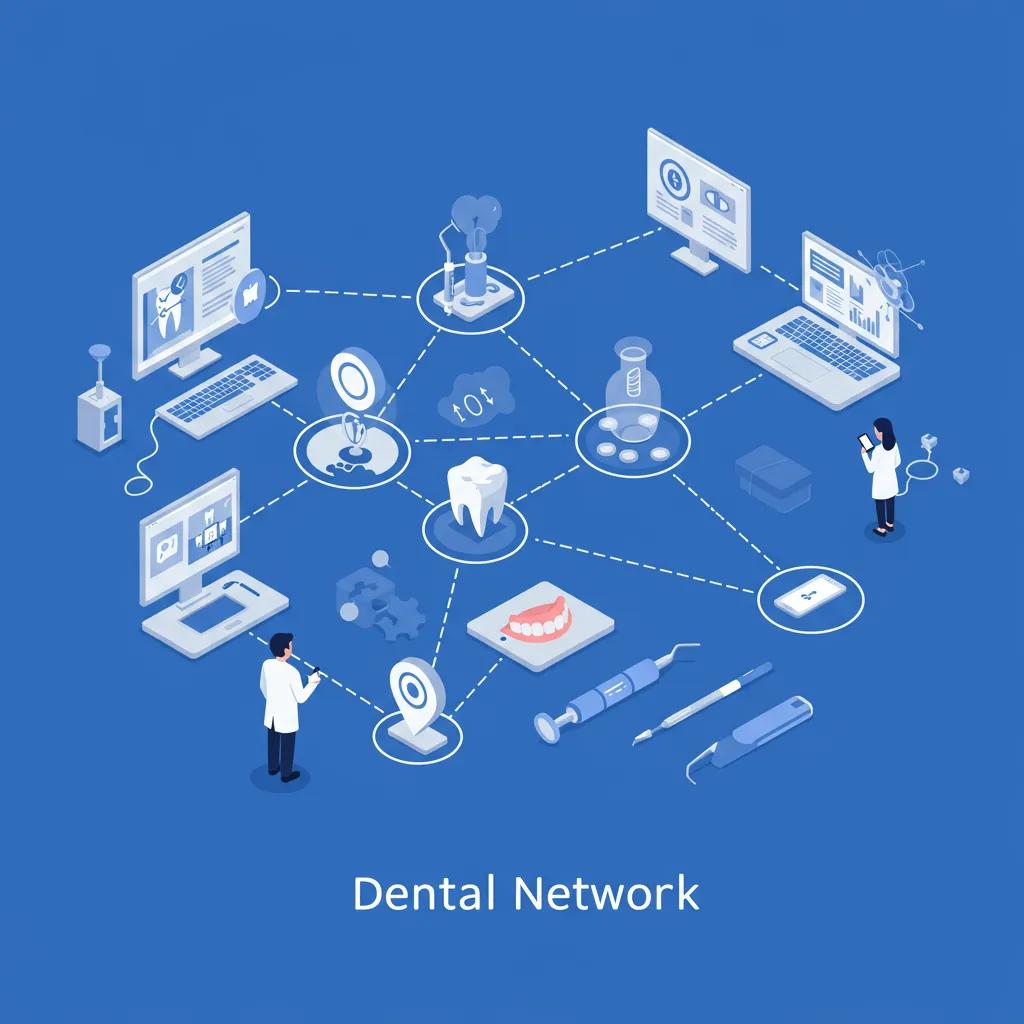
An agile dental lab network is a distributed ecosystem of partnered labs and specialist technicians that coordinate cases in real time to match capacity and expertise to clinical needs. This model works by dynamically routing digital case files and physical work among networked facilities, which reduces single-point delays and increases redundancy for urgent orders. The specific benefit is scalable capacity during high-volume periods and immediate reallocation for remakes or complex cases, maintaining clinical timelines. To illustrate, when a practice needs an expedited crown, the network can assign the case to a nearby lab with available zirconia milling capacity, and this operational flexibility is central to faster turnaround performance described next.
How Does DDS Network Ensure Fast Turnaround Times in Charlotte?
Fast turnaround is achieved through automated digital validation, prioritized production lanes, and coordinated logistics across network nodes, which together reduce manual errors and queue time. Automated file checks catch common scan issues before fabrication, while distributed production allows simultaneous processing of different case stages to shorten overall lead time. For urgent needs the network supports expedited lanes—commonly described as Overnight Crowns—so practices can receive single-unit crown restorations within 24 hours when criteria are met. These procedural efficiencies directly reduce clinical delays and lead into choices about restorative materials, which influence timing and esthetic outcomes.
Which High-Quality Materials Does DDS Network Use for Dental Restorations?
Material selection—zirconia, lithium disilicate, composite resins, and PFM options—drives strength, esthetic, and bonding outcomes for restorations, and the network uses these materials according to case indication and esthetic requirements. Zirconia is favored for high-strength posterior crowns and implant frameworks, lithium disilicate for high-esthetic anterior restorations, and composite/resin options for provisional or budget-conscious cases; each material balances durability and translucency differently. Selecting the correct material reduces remakes and improves patient satisfaction, and these material recommendations naturally lead into the types of dedicated practice support the network provides for onboarding and material selection.
How Does DDS Network Support Charlotte Dentists with Dedicated Service?
Dedicated service includes onboarding, digital workflow training, and ongoing practice support to ensure scans, prescriptions, and shade communication meet production requirements consistently. This support reduces initial setup errors, accelerates adoption of intraoral scanning, and provides practice staff with protocols that minimize remakes and chairside adjustments. Core 4 Dental emphasizes flexible service options and technician consultation, enabling practices to adapt workflows for both private practices and larger group practices. Clear support channels and training create predictable case delivery and transition to a discussion of the full service catalog offered locally.
What Dental Lab Services Does DDS Network Offer in Charlotte?
Dental offices in Charlotte can expect a comprehensive service catalog covering fixed restorations, implant prosthetics, removable appliances, sleep apnea devices, orthodontic aligners, veneers, and dentures. Each service is delivered through digital and traditional workflows with quality control checkpoints from automatic file validation to final technician review, producing predictable outcomes for clinicians. The table below compares common services by material options, typical clinical use, and expected turnaround to help teams choose the right path for each patient. Understanding these offerings leads to specific crown, implant, removable, and sleep appliance details in the following subsections.
Different services match clinical needs through specific materials and turnaround expectations.
| Service | Material Options | Typical Use / Benefit / Turnaround |
|---|---|---|
| Crowns & Bridges | Zirconia, Lithium Disilicate, PFM, Composite Resin | Indicated for single-unit restorations to multi-unit bridges; high-strength zirconia for posterior load-bearing cases; typical turnaround 2–5 business days standard, expedited options available. |
| Dental Implants | Zirconia, Titanium (abutments and frameworks) | Custom abutments and implant prosthetics for single or full-arch solutions; integrates with digital planning; typical turnaround 5–10 business days depending on complexity. |
| Removable Appliances | Acrylic, Flexible Resins, Thermoformed Plastics | Full and partial dentures, nightguards, and splints customized for fit and esthetics; turnaround 5–10 business days for standard removable appliances. |
This comparison clarifies typical clinical paths and helps practices plan appointment scheduling, and the next subsection details crown and bridge options specifically.
Which Crowns and Bridges Are Available at DDS Network Charlotte Labs?
Crowns and bridges are manufactured using materials matched to functional and esthetic requirements: zirconia for strength, lithium disilicate for translucency, and PFM for cost-effective durability with metal substructures. The mechanism by which each material delivers value varies—zirconia offers fracture resistance through crystalline stability, whereas lithium disilicate provides superior light transmission for anterior esthetics. Clinicians benefit from material-appropriate prep designs and lab-driven shade matching that reduce shade remakes and occlusal adjustments. Typical production times vary with material and finish; understanding these timelines helps clinicians schedule restorations effectively, and the following subsection explains implant prosthetic options.
What Implant Solutions Does DDS Network Provide for Charlotte Dentists?
Implant prosthetics include custom abutments, hybrid and full-arch frameworks, and single-unit restorations designed with CAD/CAM precision to match implant platforms and restorative goals. Custom abutments manufactured in zirconia or titanium provide optimal emergence profiles and occlusal stability, while digital implant workflows integrate STL and surgical planning files to align prosthetic design with implant placement. The digital approach reduces manual guesswork and enables streamlined surgical-prosthetic coordination, improving final fit and reducing adjustment visits. These implant capabilities connect directly to removable appliance workflows, which are described next.
How Are Removable Dental Appliances Customized by DDS Network?
Removable appliances are produced through both traditional impression-based processes and fully digital pathways, with technician-driven customization for occlusion, esthetics, and patient-specific fit. Digital workflows use scanned arches to design dentures or splints with consistent occlusal relationships, while technicians apply finishing steps to optimize esthetics and phonetics. Fit adjustment protocols and remake policies are part of quality control to ensure patient comfort and satisfaction after delivery. Clear fabrication choices and fit strategies segue into sleep apnea appliance options offered locally.
What Sleep Apnea Solutions Are Offered by DDS Network in Charlotte?
Sleep apnea solutions include oral appliance therapy devices fabricated to meet provider prescriptions and patient airway considerations, with options suitable for mild to moderate obstructive sleep apnea management. Appliances are designed for retention, titration capability, and patient comfort, and fabrication follows digital or traditional inputs coordinated with prescribers and sleep specialists. The benefit is a provider-tailored approach that supports clinical protocols and follow-up adjustments to optimize therapy adherence. Next we examine how the network’s digital dental lab enhances restoration workflows through scanner compatibility and workflow benefits.
How Does DDS Network’s Digital Dental Lab Enhance Restorations in Charlotte?
A digital dental lab enhances restorations by converting intraoral scan data into precise CAD/CAM designs that reduce manual steps and limit impression-related distortions. Digital workflows improve accuracy and communication, enabling faster revisions and fewer remakes through standardized file validation and technician review. The table below lists scanner compatibility and submission notes to guide practices in preparing files for seamless integration. After compatibility details, a benefits list explains how the digital approach translates into clinical advantages.
| Scanner/System | File Type Accepted | Integration Notes |
|---|---|---|
| CEREC | STL, PLY | Accepts standard STL exports; ensure full-arch captures for multi-unit cases. |
| Medit | STL, OBJ | Export high-resolution STL and include bite scans for occlusal verification. |
| Carestream | STL | Validate occlusion and adjacent anatomy before submission to avoid remakes. |
| Planmeca | STL | Confirm model orientation and merge bite registrations for best fit. |
| iTero | STL | Export segmentally for long-span cases and include prescription details. |
| 3M True Definition | STL | Check color and texture data where supported; include shade documentation. |
| TRIOS | STL, PLY | Use full-arch scans with clear margin capture to reduce chairside adjustments. |
This compatibility matrix reduces submission errors and speeds processing, and next we outline key benefits of a seamless digital workflow.
Which Intraoral Scanners Are Compatible with DDS Network’s Workflow?
Core 4 Dental accepts digital scans from all major systems including CEREC, Medit, Carestream, Planmeca, iTero, 3M True Definition, and TRIOS, which enables broad practice compatibility and reduces the need for file conversion. Accepted file formats typically include STL and PLY, and practices should perform preflight checks to verify margins, bite registration, and scan completeness before transmission. The result is fewer digital re-scans, faster production starts, and higher first-time success rates for restorations. Proper scanner handling and file checks lead naturally into the benefits realized by seamless digital workflows.
Digital Dental Workflows: Virtual Models and Cone-Beam Computed Tomography for Treatment Planning
In the digital dental practice, an accurate virtual model is essential for establishing a definitive and objective treatment plan. The utilization of Cone-Beam Computed Tomography within the digital workflow for dental implant treatment planning is becoming increasingly prevalent.
Integration of imaging modalities in digital dental workflows-possibilities, limitations, and potential future developments, S Shujaat, 2021
What Are the Benefits of DDS Network’s Seamless Digital Workflow?
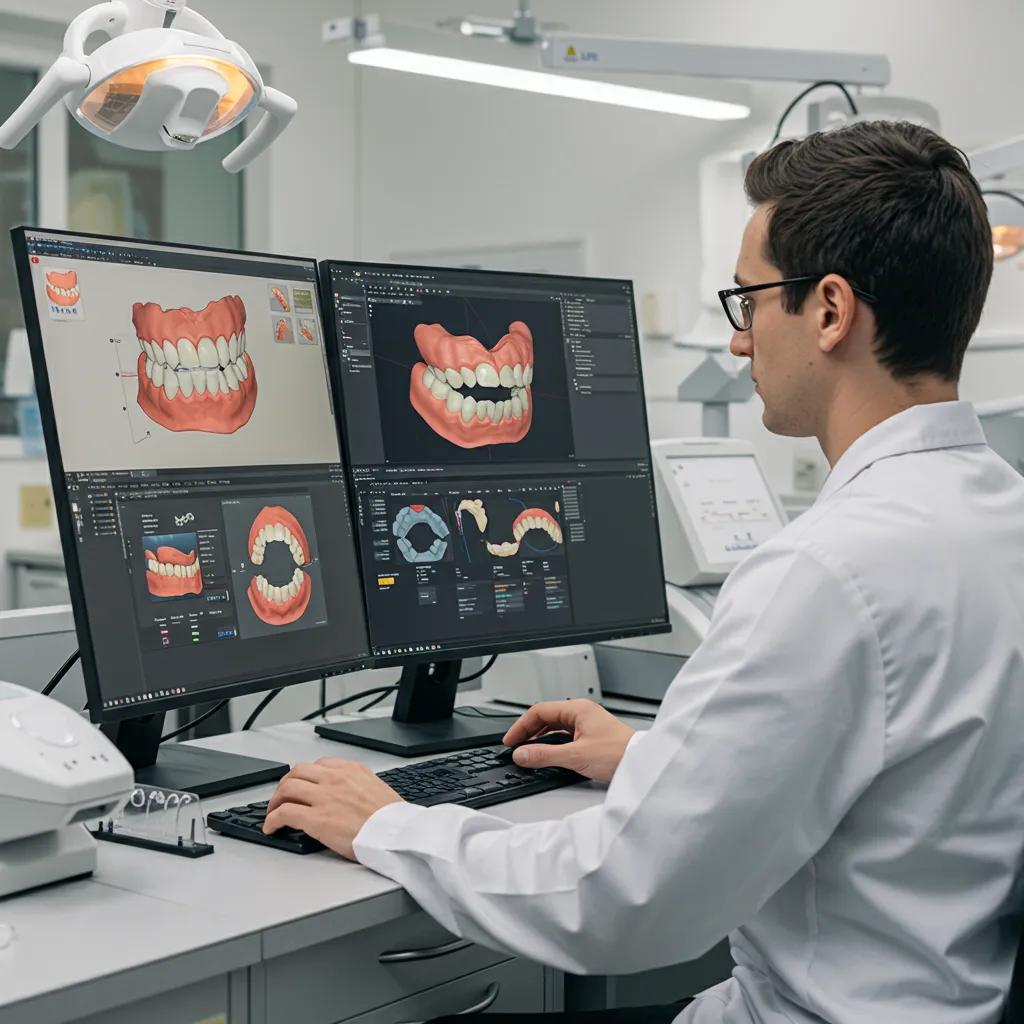
A seamless digital workflow increases precision, shortens production cycles, and reduces remake rates by ensuring technician-ready files and clear communication channels between clinic and lab. Digital files enable better visualization of margin detail and occlusal relationships, which improves fit and reduces intra-appointment adjustments. Faster production and streamlined communication translate into reduced chair time and higher patient satisfaction rates. These advantages explain how digital dentistry directly reduces chair time and remakes for typical restorative scenarios, which is the focus of the next subsection.
How Does Digital Dentistry Reduce Chair Time and Remakes?
Digital dentistry reduces chair time by delivering accurate restorations that require fewer adjustments at seating; precise margin capture and CAD/CAM fabrication minimize intraoral finishing. The mechanism is a reduction in cumulative errors—digital scans eliminate distortions from impression materials and model pour steps—leading to restorations that fit more predictably. For clinicians, this often means single-appointment efficiency improvements and lower rates of remakes, which frees up schedule capacity and improves practice throughput. These workflow efficiencies are integral to the network’s send-a-case processes outlined next.