
Philadelphia Dental Lab Services by Core 4 Dental: Advanced Solutions for Dentists
Philadelphia dental practices need predictable, fast, and digitally compatible dental laboratory services to reduce chair time and improve patient outcomes. This page explains local laboratory service models, digital workflow compatibility, material options, and shipping workflows that help clinicians deliver high-quality restorations with fewer remakes. Core 4 Dental operates as an agile network of partner dental laboratories that use integrated digital processes to accelerate restorations and support clinical workflows across crowns, implants, removable prosthetics, and sleep apnea appliances. Many practices struggle with unclear turnaround windows, inconsistent shade matching, and file-format friction; this article delivers step-by-step submission guidance, material comparisons, implant workflows, and partnership models that solve those pain points. You will find clear instructions for digital and traditional case submission, EAV comparison tables for materials and implant solutions, practical tips for scanner compatibility and turnaround, and answers to the most common questions Philadelphia dentists ask. Throughout, the content highlights how networked capacity, CAD/CAM, and 3D printing reduce lead times and improve fit while offering actionable next steps to send a case to the lab.
Why Choose Core 4 Dental for Your Philadelphia Dental Practice?
Why choose a networked dental lab model in Philadelphia? A network model aggregates specialized partner labs and expert technicians to deliver faster production capacity, digital compatibility, and standardized quality checks, which together reduce remakes and speed delivery. This approach works because digital files and standardized protocols allow different partner facilities to handle workload surges while preserving uniform clinical expectations, and the result is reliable turnaround even for urgent crowns. The next paragraphs explain specific differentiators, turnaround mechanisms, and the core technologies that power modern lab responsiveness.
What Makes Core 4 Dental Philadelphia’s Best Dental Lab?
Core 4 Dental combines a network model, partner-lab specialization, and clinician-focused processes to improve clinical outcomes and responsiveness. The network structure means staff across partner labs concentrate on specific strengths, such as overnight crowns, implant prosthetics, or esthetic restorations allowing practices to match case needs to technician expertise. This specialization reduces handoffs and improves quality because each partner lab works within standardized protocols and material specifications, producing consistent results across cases. Understanding these operational advantages leads directly to how streamlined workflows and capacity management deliver fast precision for Philadelphia dentists.
How Does Core 4 Dental Ensure Fast Turnaround and Precision?
Fast turnaround and precision result from an integrated workflow: digital intake, CAD design, automated production scheduling across partner labs, milling or printing, expert finishing, and multi-stage QA before shipment. Standardized digital prescriptions and automated data exchange reduce manual transcription errors, and network capacity allows urgent cases to be routed to facilities with immediate availability, enabling overnight or expedited crowns when clinically necessary. Multi-stage quality checks design review, fit verification, and cosmetic approval reduce remakes and speed clinical acceptance. These process elements set the stage for the specific technologies that enable them.
Which Advanced Technologies Power Our Philadelphia Dental Labs?
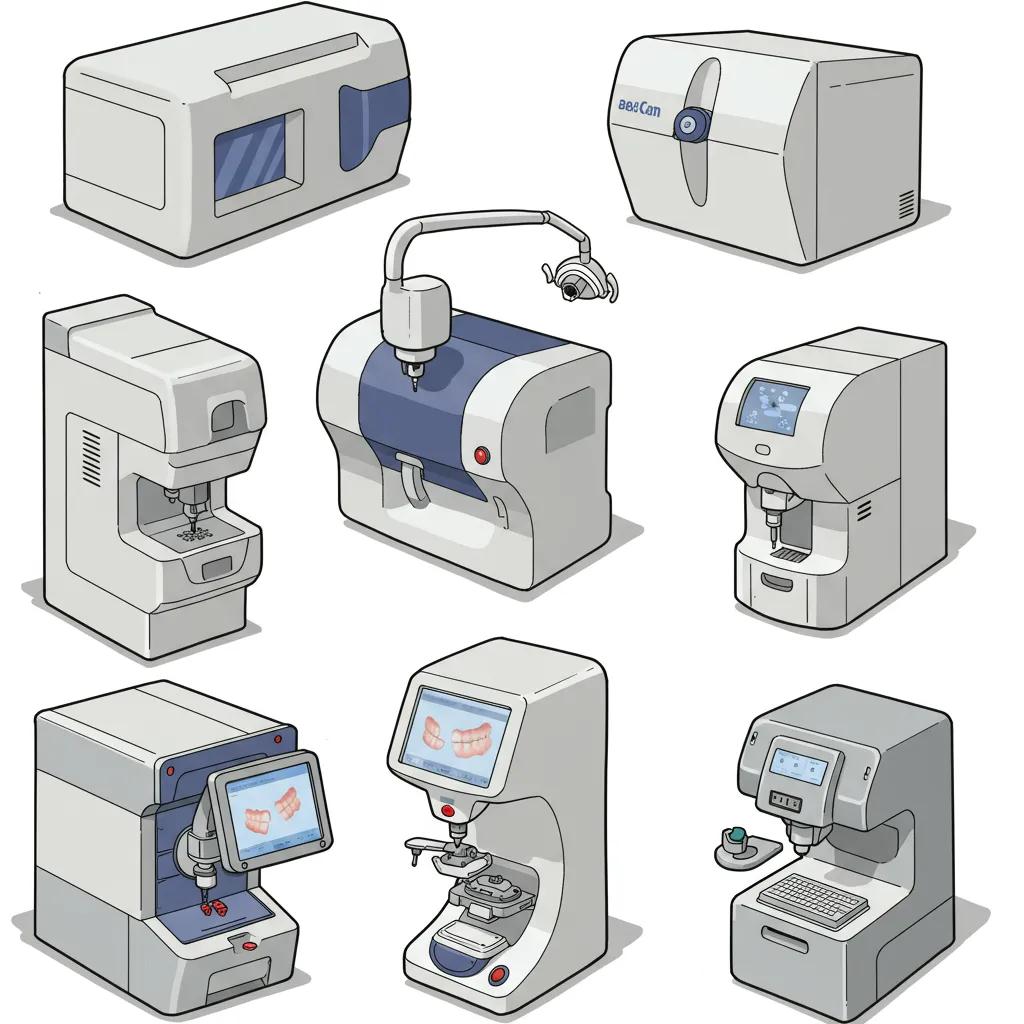
Advanced technologies powering modern lab performance include CAD/CAM design software, high-precision milling units, industrial sintering furnaces, and FDA-compliant 3D printers for models, guides, and temporaries. Digital production tools increase repeatability, and integrated file-management systems accept industry-standard files to streamline case intake and job routing across the network. Compatibility with major intraoral scanners and standardized file formats reduces data friction and shortens the design-to-manufacture timeline. These technological capabilities lead into practical guidance on how to submit cases digitally or via impressions.
How Can Philadelphia Dentists Send a Case to Core 4 Dental?
Submitting cases efficiently starts with clear steps that minimize remakes and accelerate acceptance; digital submissions reduce transit time while traditional impressions remain fully supported. The recommended intake process focuses on complete documentation: clear Rx instructions, shade and occlusion notes, photos, and the correct digital file formats.
| Submission Method | What to Include | File Types / Documentation | Shipping Options | Typical Turnaround |
|---|---|---|---|---|
| Digital Upload | Completed digital Rx, shade, occlusion photos | STL or PLY files, bite scan, shade photos | N/A (upload) | Single crowns: 2–5 business days |
| Traditional Impressions | Poured or boxed impressions, printed Rx, photos | Physical impressions + scanned photos | Overnight or two-day shipping | Crowns/bridges: 3–7 business days |
| Hybrid (Impression + Scan) | Impression plus intraoral scan for margin verification | STL files + impressions | Rush shipping available | Implant abutments: 5–10 business days |
This submission comparison clarifies practical differences between methods and prepares your team for the detailed step-by-step procedures that follow.
What Are the Steps for Seamless Digital Case Submission?
- Scan the preparation and opposing arch with a reliable intraoral scanner and capture an accurate bite
- Export files as STL or PLY and include a digital Rx with shade, margin location, and material preference
- Upload files to the lab’s Send a Case portal, confirm case details, and add photos to support shade and occlusal notes
- Monitor confirmation and production status and schedule expedited routing if needed
These steps reduce ambiguity and set expectations for turnaround and fit, and the next section covers how to ship traditional impressions when scans are not used.
How Does CAD/CAM Technology Enhance Dental Restorations?
CAD/CAM enhances restorations by converting accurate intraoral scans into digitally designed prosthetics that are milled or printed to consistent tolerances. This mechanism improves marginal fit and occlusal accuracy because the design is verified in software before manufacture, and milling or sintering delivers material properties that match clinical demands. Clinicians notice fewer chairside adjustments and more predictable color matching when digital shade workflows and photographic documentation are used. These digital advantages naturally lead to additive manufacturing options where complexity or speed is the driver.
What Role Does 3D Printing Play in Our Philadelphia Lab?
3D printing accelerates production of models, surgical guides, and provisional restorations by producing complex geometry quickly and reproducibly from digital files. Additive manufacturing is especially valuable for producing surgical guides with precise implant orientation and for generating immediate provisionals that match the planned final contours. When combined with CAD/CAM final restorations, 3D-printed components streamline clinical sequencing and reduce total treatment time. These production choices influence turnaround and cost tradeoffs, which is why compatibility and file accuracy are addressed in the next subsection.
Which Intraoral Scanners Are Compatible with Our Digital Workflow?
The lab accepts industry-standard digital file formats and is compatible with the major intraoral scanner vendors that export STL or PLY files, ensuring broad interoperability across clinical systems. To optimize compatibility, capture full margin definition, ensure a clear buccal bite registration, and use recommended export settings to preserve resolution; include occlusal captures and soft-tissue scans for implant and full-arch cases. Submission tips such as scanning with powder-free protocols and verifying interocclusal records reduce refires. These scanner best practices support the implant workflows described next.
What Dental Implant Solutions Are Available at Core 4 Dental Philadelphia?
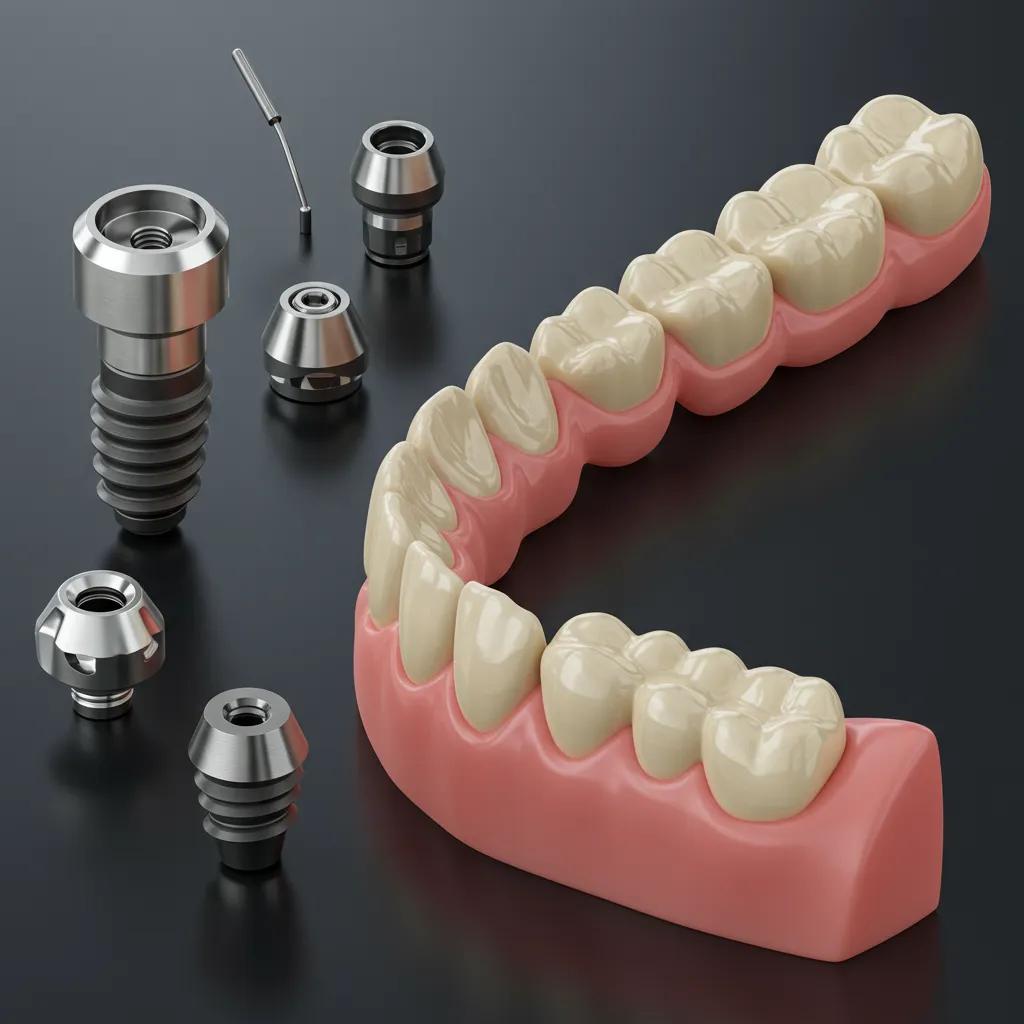
Dental implant prosthetics require coordinated digital planning, precise abutment design, and materials selected to balance esthetics and durability; the lab offers custom abutments, full-arch solutions, and restorative planning support. Implant workflows typically start from an implant-level scan or analog, proceed through CAD abutment design, and continue to CAM manufacture and finishing. The table below compares implant solutions, indications, supported systems, and typical lab steps to help clinicians match prosthetic choices to their surgical and restorative plans.
| Implant Solution | Indication | Supported Systems / Materials | Typical Lab Steps |
|---|---|---|---|
| Single custom abutment | Single-tooth replacement with esthetic demands | Titanium or zirconia; compatible with common implant platforms | Scan/analog → CAD abutment design → Mill/finish → QA |
| Full-arch fixed prosthesis | Edentulous arches needing fixed restoration | Titanium substructure with acrylic or zirconia superstructure | Scan/plan → framework design → mill/print → try-in → final finish |
| Overdenture with attachments | Locator or bar overdenture indications | Titanium components and nylon housings | Parallelism check → CAD design → assembly → finish |
This comparison clarifies which implant workflows match typical clinical scenarios and leads into specifics about abutment design and fabrication.
How Are Custom Implant Abutments Designed and Fabricated?
Custom abutment fabrication uses a digital prescription, scan or analog transfer to create an emergence profile tailored to soft tissue and occlusion, thereby improving esthetics and hygiene access. The workflow includes capturing accurate implant position, designing the abutment in CAD to control margin placement and interproximal contours, selecting titanium or zirconia based on strength and esthetics, and then milling, finishing, and verifying fit in the lab. Precision manufacturing minimizes clinical adjustments and optimizes soft-tissue outcomes. These design decisions influence full-arch options and material selection discussed next.
What Full-Arch Implant Options Do We Provide?
Full-arch options include fixed hybrid prostheses, fixed-detachable designs, and overdenture solutions, each with distinct maintenance and esthetic profiles. Fixed hybrids pair a metal substructure with composite or acrylic denture teeth for predictable support, while zirconia-based full-arch restorations prioritize esthetics and rigidity for certain cases. The lab supports surgical-guide workflows, provisional staging, and final finishing protocols to ensure occlusal stability and patient comfort. Understanding these options helps clinicians plan provisional sequencing and long-term maintenance.
Which Implant Materials and Brands Do We Support?
The lab supports a range of implant platforms and restorative materials—commonly used implant component systems and both titanium and zirconia abutments—to accommodate clinician preference and clinical indications. Material choice balances esthetics versus strength: zirconia provides excellent esthetics for anterior abutments, while titanium offers proven strength for posterior load-bearing applications. Platform compatibility is confirmed at case intake through the Rx and scan or analog documentation to avoid part mismatches. Choosing the appropriate material and system reduces chairside adjustments and ensures predictable restorative outcomes.